The Demystified Vine

Taking the mystery out of wine exploration!

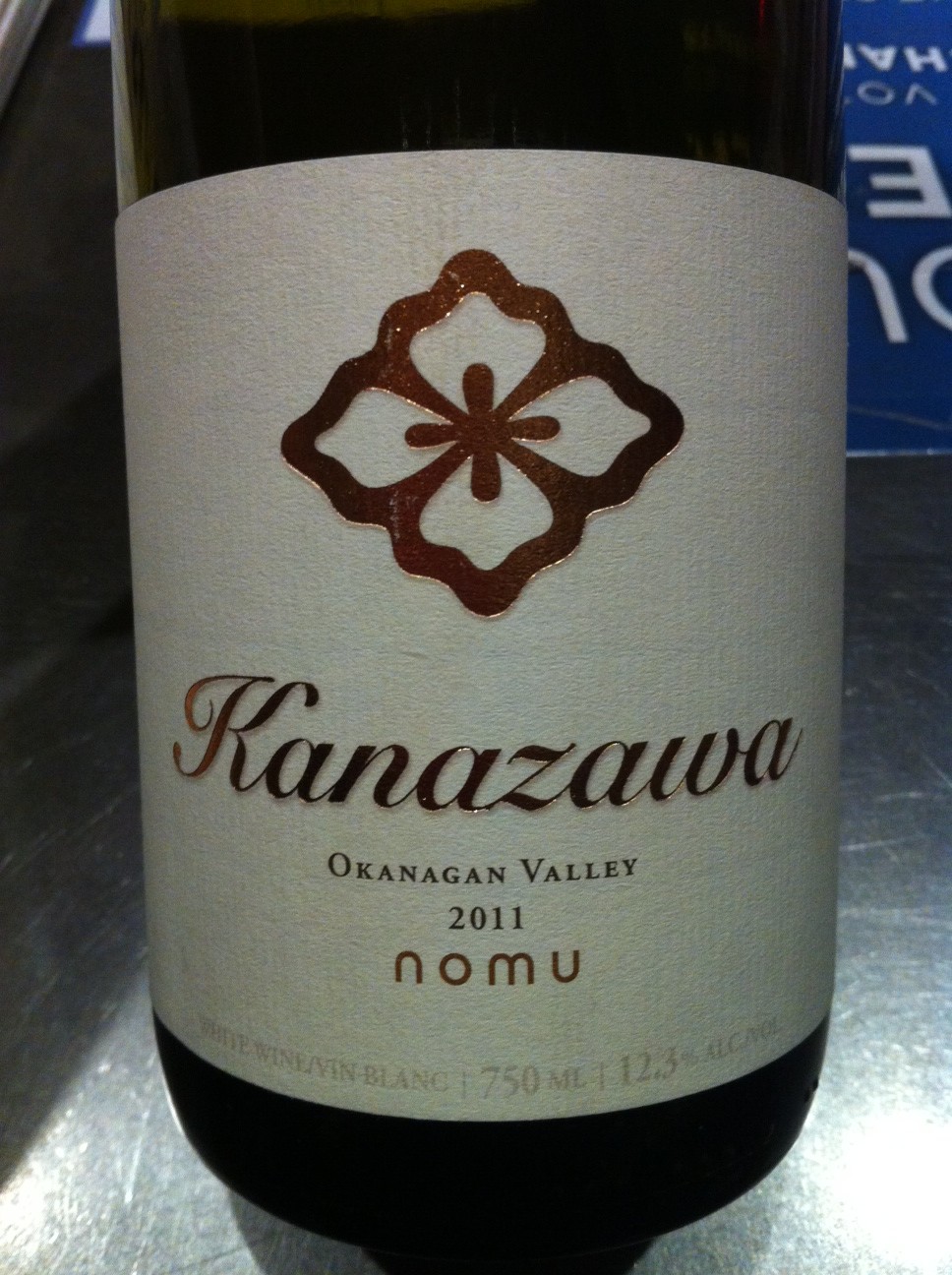
2011 Kanazawa Nomu

Valerie Stride, WSET ADV Certified

Kanazawa Wines, out of Oliver, BC, released their first vintage in 2010 with only a red and sparkling wine. In a mere two vintages since then, Richard Kanazawa has grown his wine label to include a blended white (Nomu) and also a fantastic dessert wine called “Diamond Flower” made from 100% late harvest Pinot Blanc.

Used with permission by Richard Kanazawa.

Used with permission from Richard Kanazawa.

I first met Richard while he was doing a pouring at Broadway Wine Shop in the Kitsilano area of Vancouver. He was pouring everything but the sparkling, and so I had the amazing opportunity to give his wines a taste. Richard worked at a number of BC wineries prior to starting his own label including Domaine de Chaberton, Blasted Church, and Red Rooster. Having learned this tidbit of information, I knew that Richard’s wines were going to show a lot of potential. Richard also spent time in Australia, where he was on some personal adventures to increase his love of wine and winemaking. You can read more about his journey here.

I asked Richard what initially inspired him about making Nomu. His response:

When I worked in Australia, I had a hand in producing many styles of Viognier and Semillon. During my time there (Australia) I liked performing blending trials on the two varieties for fun. The result of blending Viognier and Semillon overseas inspired me to produce this blend for my own label.

A balanced blend of 70% Viognier (pronounced Vee-yon-YAY) and 30% Semillon (Sem-mee-YON), the 2011 Kanazawa Nomu has a most intriguing colour. It is the palest green straw colour I have ever seen, and it almost resembles water. I could get used to this water!
photo(4)

Photo by Valerie Stride

A light intensity and youthful wine, the Nomu is brimming with pear, Golden Delicious apple, daisies, and a hint of green grape on the nose. This dry, high acid wine has an interesting minerality on the palate of stone and chalk. Crisp apples, pear, chamomile, and white peach all provide an interesting combination of flavours to tickle your tastebuds. Due to its light bodied nature, this wine would pair perfectly with baby greens, mild cheeses & butter crisp crackers, sushi, or light fish. Spicy Thai dishes also make a good match for mainly Viognier-based wines.

As a side note, Viognier is one of the most difficult grapes to deal with. It is one of those heartbreak grapes, similar to Pinot Noir, that needs to have just the right amount of growing time. It cannot be picked too early nor too late. (Sauvignon Blanc is another cultivar that also acts in this fashion.) If this grape is picked too early, unripe and unfavourable flavours take hold, and if it is picked too late, the resulting wine will actually be dull and oily. Because Viognier prides itself on its intense perfume characteristics, being dull and oily are not good qualities to carry in the bottle. Now planted more widely around the world than ever before, this Rhone-originating varietal is likely to gain more and more respect as the wine world continues to evolve. Go ahead, try it out. Check out Kanazawa’s Nomu 2011 and see what beauty Viognier and Semillon has to offer your wine-loving heart.

Available at a large number of private liquor stores across the GVRD. Click here to find the closest store near you.

Cheers!
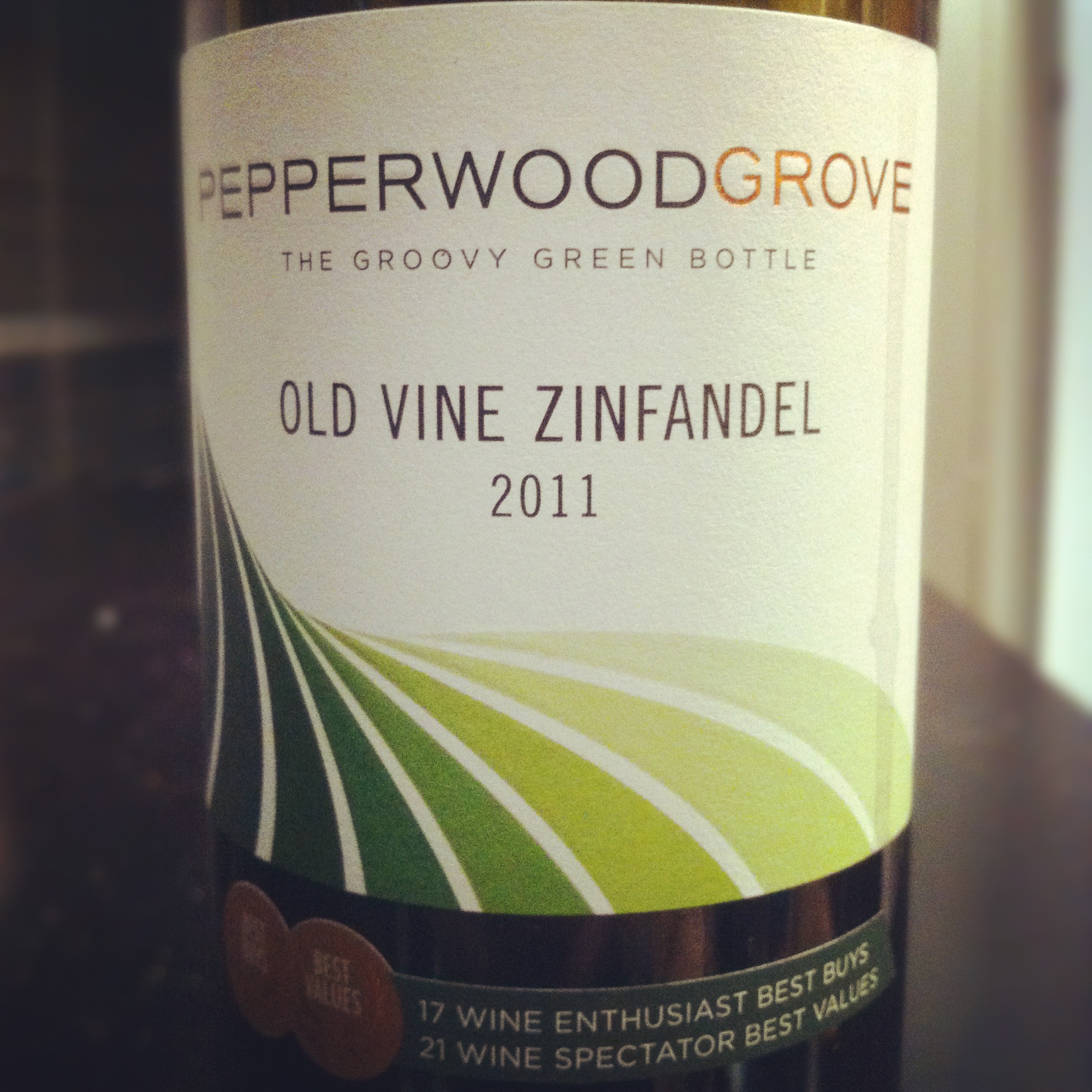
Made in California, this 2011 vintage red is a bottle of… well… delicious adult grape juice. That’s right. None for the children.

IMG_1015

It was one of the juiciest and fruitiest wines I’ve had in a while. It wasn’t multi-faceted and it didn’t have a layered complexity. It was, as I’ve said, some really good grape juice for adults.

At 14% abv and $13.99 a bottle, this is the perfect choice for a night in watching a movie, or for bringing to a party. A most intense purple colour, the nose bursts with black cherry, black pepper, earth, dirt, and the sweetness of caramel.

In the mouth, this dry, high acid wine has minimal tannin structure, so it’s velvety smooth. As it’s medium bodied (think 2% milk), it also handles a medium intensity on the palate. Again, loads of cherries, peppery earth, cloves, and dark plum will all shine through.

Pepperwood Grove is:

Embracing a traditional négociant model of winemaking, Pepperwood Grove winemakers Greg Kitchens and Gloria Mercado-Martin search the world’s best growing regions for fruit that will produce the perfect blend of quality and value. Using “pair it with Pepperwood” as their guiding principle, they craft crowd-pleasing reds and whites that can be readily enjoyed at nearly every occasion and pair easily with a wide variety of cuisines. (About.)

Pepperwood Grove has been making wine for the last 20 years. Focused on creating versatile wines that appeal to a wide audience, Kitchens and Mercado-Martin appear to be successful with their vision. For the price point, this wine is one that should be tried. In addition to the Old Vine Zinfandel, Pepperwood Grove is also mIMG_1017aking Cabernet Sauvignon, Chardonnay, Sauvignon Blanc, Pinot Noir, and Pinot Grigio.

Interested in trying an inexpensive fruit-forward and fun wine? I’d totally recommend Pepperwood Grove Old Vine Zinfandel. Paired perfectly with steak, sauteed mushrooms, and a carmelized pecan arugula salad.

Available at Liberty Wine Merchants.

Cheers!

I had the pleasure of meeting Rob and Denise of Camelot Vineyards Estate Winery back in late October 2012. The weather was dull and dreary, but Rob and Denise’s welcoming personalities made the atmosphere so much warmer.

The vineyard and winery, located on East Kelowna Road, is part of Kelowna’s “Fab Five” wineries. The Fab Five are within kilometers of each other, and are an alluring, boutique-style group of wineries that provide tourists and residents alike with the opportunity to see what the Kelowna area has to offer in terms of wine and hospitality.

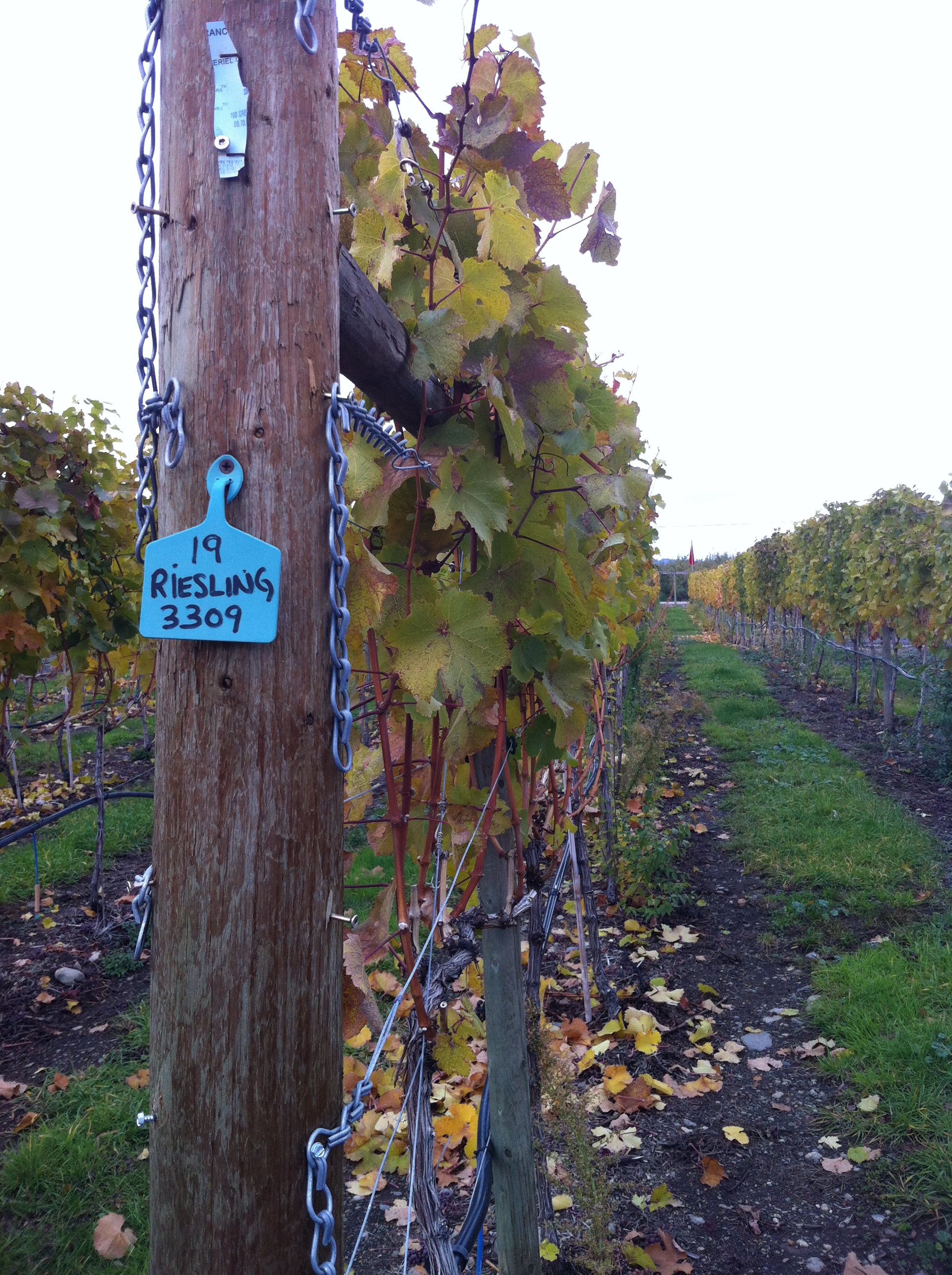
Rows of Riesling at Camelot Vineyards

Rows of Riesling at Camelot Vineyards

A Medieval-themed tasting room is what you will find at Camelot Vineyards Estate Winery. I’m bias, so telling you it is one of the coolest tasting rooms doesn’t matter. Their website states it best:

Along with a six foot suit of armour, assorted shields, swords and jousting gloves, there is a replica of the round table from King Arthur’s court. Outside there is an added feature of a sword in the stone and a patio area where a glass of wine can be enjoyed whilst absorbing the incredible scenery. (The Camelot Story)

Told you so.

Having the pleasure of owning a number of bottles of their wine, I had the thrill of doing a mini-vertical tasting of their 2010 and 2011 estate Riesling at home with some friends. Two completely different beasts, these two vintages were each unique and varietally representative.

2010   The cellar at Camelot Vineyards Estate Winery
Pale gold with long legs, this 10.2% abv wine’s bouquet was filled with petrol and citrus bursts. Lemon-lime nuances, unripe white peaches, and a forceful (but pleasing) minerality jumped from the glass. Dry and medium bodied, this vintage of Riesling had perfectly tart acid. Crisp, clean, and with a surprisingly long length, notes of lemon, green grape, and a lighter petrol were present in the mouth. The wine was the slightest bit oily, which added a nice texture to the final product. Drink now through 2014.

2011
The 2011 vintage surprised all of my guests, and surprised me as well! An utterly different wine altogether, it was so intriguing to see how these vines expressed themselves two years in a row. This vintage was clear, and pale lemon in colour. Lighter all around, including in bouquet intensity, this wine boasted a flinty minerality, limestone, and chalk. Apple blossom, lemon,

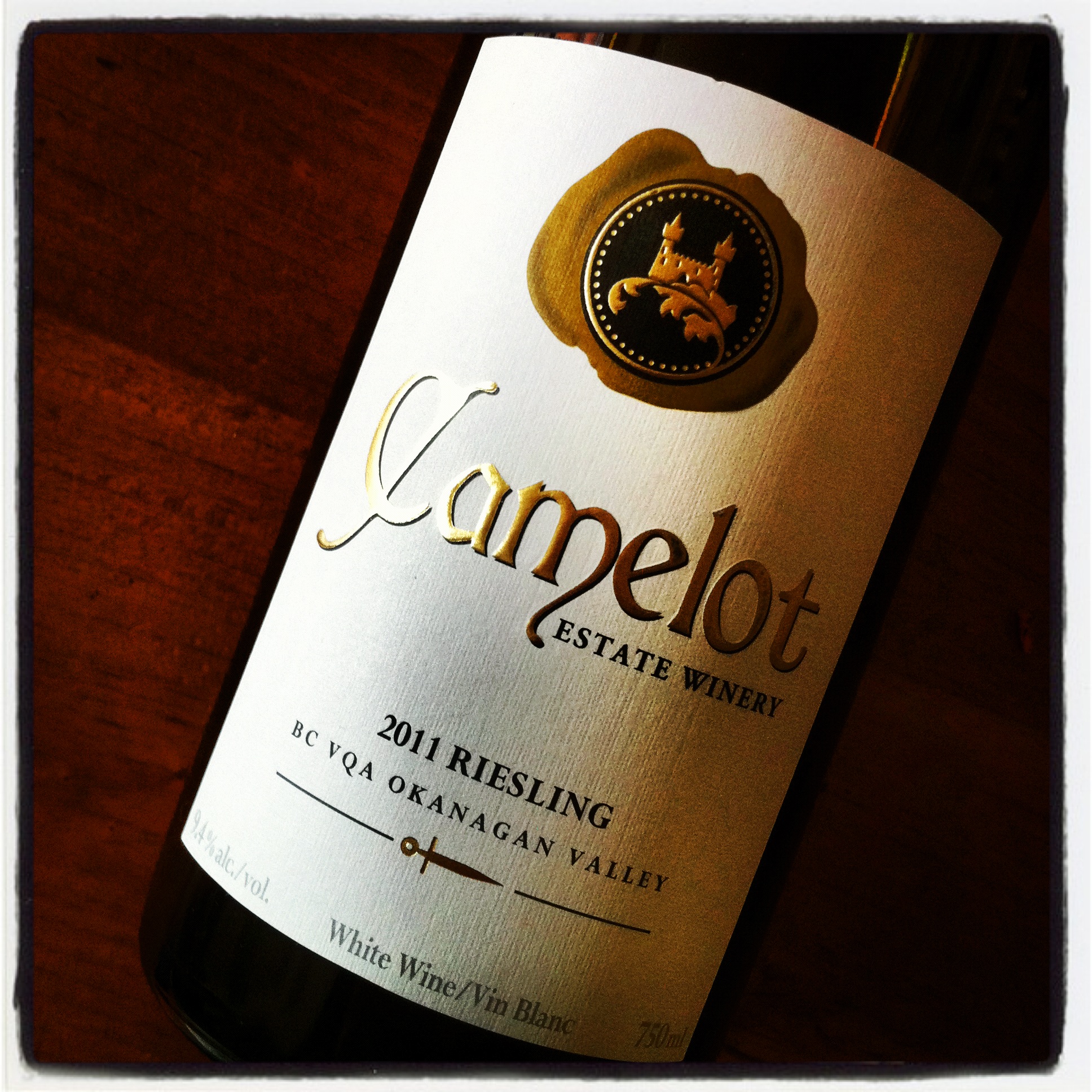
Camelot Vineyards 2011 Riesling

Camelot Vineyards 2011 Riesling

grape, peach, and a hint of green mango danced around. This vintage is off-dry, still high in acid, but is lighter in body, intensity, and length on the palate. Lemon, ripe lime, tropical fruits, pear, and a tiny hint of diesel rounded out this refreshing Riesling. Drink now through 2014 as well.

Camelot Vineyards Estate Winery produces mostly white wines, but they have a few reds, too. Chardonnay, Pinot Gris, Gewurztraminer, Riesling, Pinot Noir, and Merlot are all made, and in very small batches at ~1,300 cases per year on average.

If you’re interested in attending their yearly traditional Medieval Fair in August, keep checking their website for more information. Their Medieval Fair allows “for a unique chance to relive the Middle Ages. There will be sword fights, artisans, archery and general revelry” (Events). For a few photos of the winery and festival, click here.

Cheers!

The Pinot Noir wines found in British Columbia have a range of styles. Wineries are producing Pinot Noir that can be filled with a handful of ripe red berries to a funky-nosed style similar to what Casablanca Valley in Chile produces. While this is interesting to observe among the wines of BC, I find it difficult during a blind tasting to pin down this varietal! As such, I find that BC doesn’t have its own styling. When I taste a wine, I want to taste where it’s from. When I taste a German Riesling, I know it’s a German Riesling. For example, I typically taste the petrol and gasoline notes that I love so much. I love Pinot…a lot. I guess what I’m rambling on about is that I want to take pride in what BC’s Pinot Noir can offer, and the inconsistencies in bouquet and palate characteristics make it difficult for me to say, “Yes, folks of the world, this is BC Pinot Noir.”

I know. I know. Maybe I’m pulling at straws here. Pinot Noir is known as “the heartbreak grape.” Additionally, diversity is always a wonderful thing. There are other factors that need to be examined. For example, soil types always influence the grape and the characteristics that show themselves in the final product. Winemaking styles differ from winemaker to winemaker, and that also contributes to how a wine expresses itself.

Let me ask you this, then… Do you as a wine lover enjoy that familiarity, or do you thrive off of difference?  I’d really like to hear what you think!

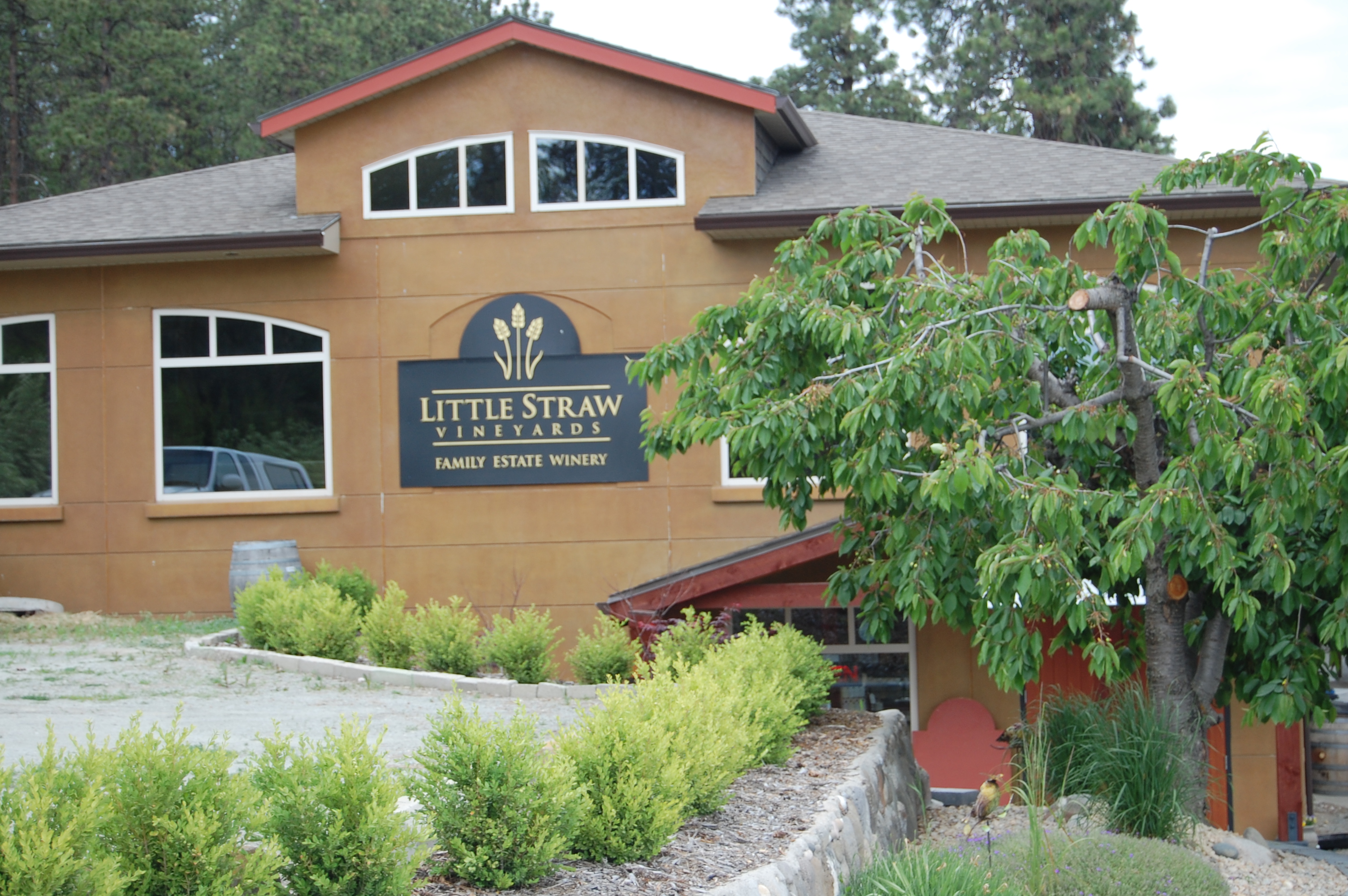
Little Straw Vineyards

Little Straw Vineyards

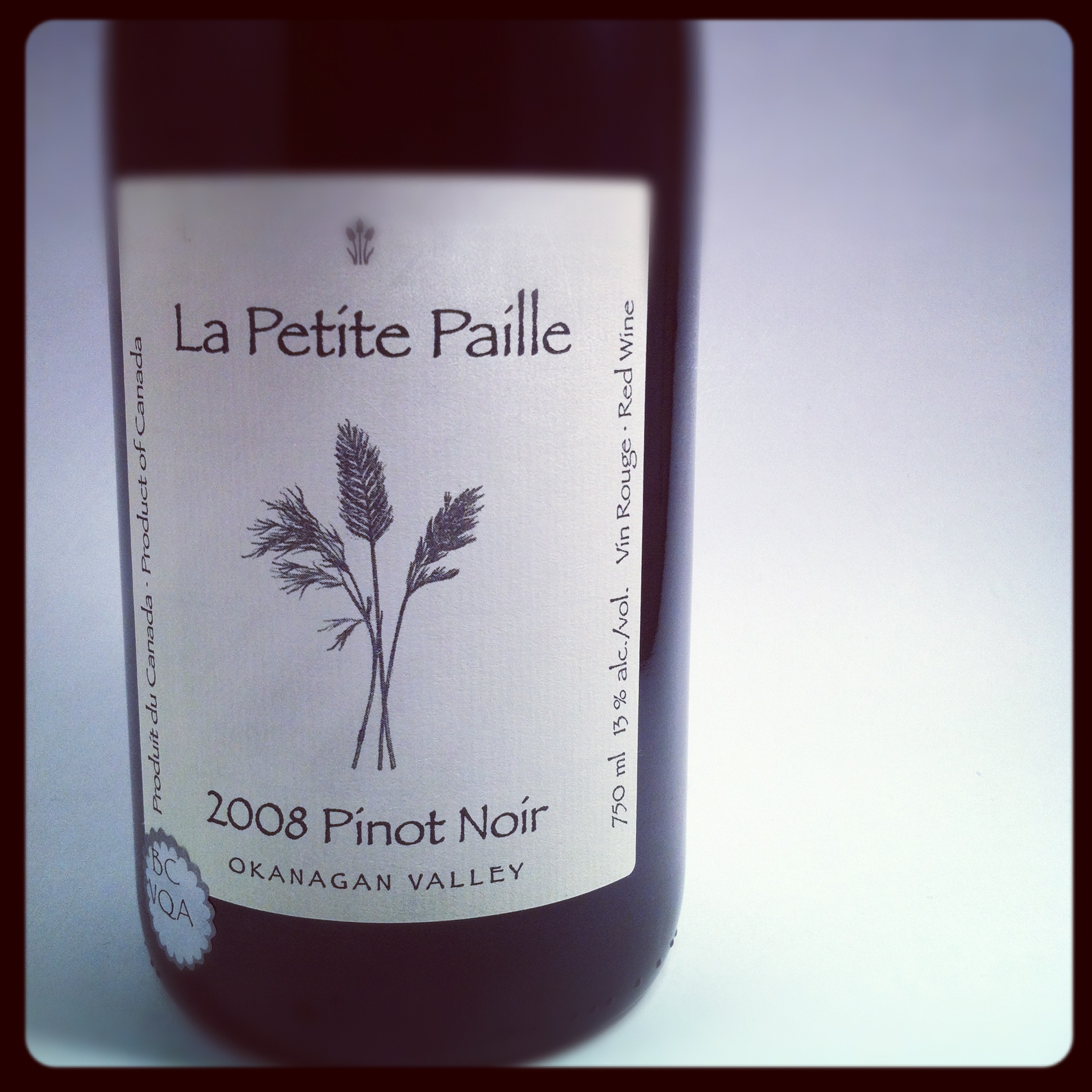
On that note, I recently opened a bottle of Little Straw Vineyards Pinot Noir from the 2008 vintage. I purchased it straight from the winery in May 2012, and I will never, and I mean never forget the moment I tasted it in the tasting room. I was really into Pinot Noir at the time, and most of the wines I was purchasing were of this varietal. So, of course, it doesn’t really have to be stated why I bought a bottle of this. But here’s the thing – this Pinot Noir stood out to me in a way that most BC Pinot Noir never had. It showed classic characteristics of Pinot Noir, but it also showed its terroir in a fantastically fabulous way.

Little Straw Vineyards is located on Mount Boucherie just outside of Kelowna. They are a family-run winery that opened in 1996, and are well-known for the production of their “Tapestry” blendOkanogan2012May_118 of five very interesting white varietals, namely, Riesling, Auxerrois, Gewurztraminer, Siegerrebe, and Schonburger.

One of the wonderful things about this little vineyard and winery is that they participate in giving back to their community. In October 2012, they donated over $5,000 in tasting fees, collected between January and August, to the Westside Community Foodbank. Insert kudos here.

An amazing value at $21.90 per bottle, the 2008 Pinot Noir called “La Petite Paille” stopped me dead in my tracks. Again.

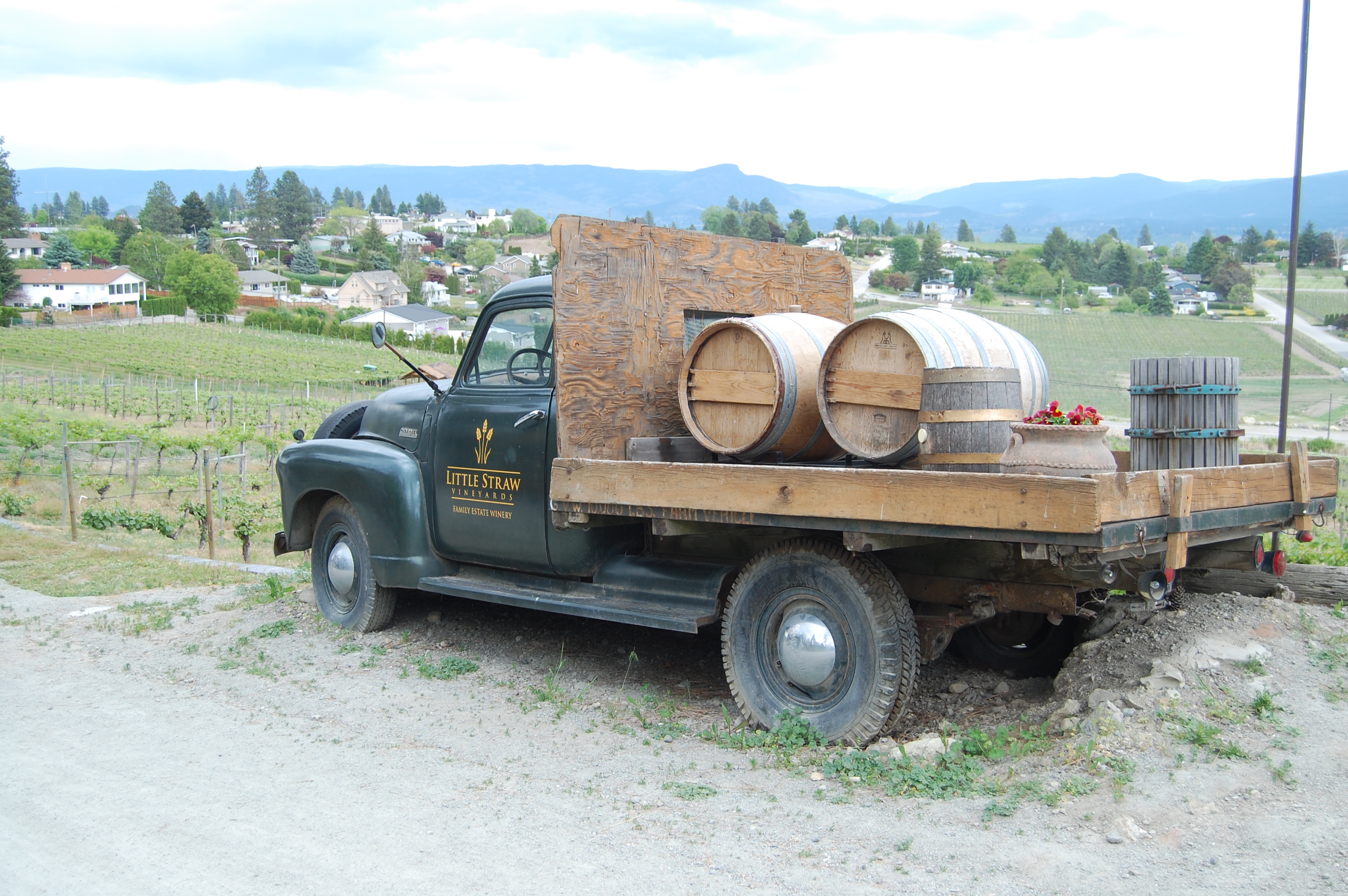
Photo by Valerie Stride

Photo by Valerie Stride

Clear, pale garnet, with very fast legs, this medium intensity wine was still developing in the bottle. Boasting with delightful cherries and a side of raspberries, this earthy, dusty Pinot was still impressing me in February 2013. The beautiful bouquet continued with savoury notes, a hint of cracked pepper, and a floral sweetness of vanilla-rose.

Soft, rounded tannins set the stage for an interesting palatable experience. Medium bodied and 13% alcohol, La Petite Paille was tart on the back of the tongue with a kick of minerality from those old volcanic soils that surround the vineyard. Strawberries, raspberries, tart cherries, and spicy earth all pushed the long dusty finish. Well balanced, this wine is drinking now, but I’m sure in another year’s time it will still be kicking. This wine also won Bronze at the 2012 NW Wine Summit and the 2012 Canadian Wine Awards. Need I say more?

Bottled in March 2011, and only 172 cases produced, this is a real gem that you do not want to miss out on, folks. Go grab a bottle at your local wine shop, and taste what BC Pinot Noir has to offer. You can thank me later.

Cheers!

The Demystified Vine is back after a short hiatus. I have been studying my wine-loving butt off for my Sommelier certification. It is all done now, and I am ready to roll again! Thank you for your patience!

The last stop: Vineland Estate Winery

Vineland Estates

Vineland Estates

Located on Moyer Rd. in Vinelands, we rushed off from our tasting at Tawse to make it to Vinelands before they closed. When we got there, I had told the ladies behind the tasting bar that they should have been expecting us as relayed by Brian Schmidt. We all had a chuckle because they had wondered when we were all going to arrive, and they had just been discussing that we might not make it! It was the snow, obviously. Oh, and probably all of the great wines and food we had been trying. Unfortunately, I didn’t get a chance to try as many wines as I would have liked, because of timing. They were closing shortly, and we did have a long snowy drive back into Toronto. However, the wines I did taste were fabulous, and I was so pleased to see a single varietal Pinot Meunier and Fume Blanc being produced!

Vineland Estates opened its doors in 1983, and is run by a brother duo: Allan (President) and Brian (Winemaker since 1991). They are third generation wine industry professionals. Vineland Estates has consistently won numerous medals ranging from bronze to gold. Their winery also features an extra-special little thing: a bed and breakfast! If you’re feeling like the fully-rounded experience of a winery tour of the Niagara Bench, be sure to check out their quaint accommodations for the ultimate in the Niagara countryside.

Brian Schmidt, born in Kelowna, calls his winemaking style “minimalist by nature”. I think that a winemaker needs absolute confidence in his abilities in order to pull off minimalism with ease. Understanding the terroir one is working with, the varietals being used, and knowing the various winemaking techniques inside-out with such success year after year is impressive. I was quite pleased with all of the wines that I tasted, and look forward to trying more in the future!

Let’s begin with their 2011 Chenin Blanc. This wine is predominantly Chenin, but it includes 13% Riesling. A medium-intensity wine, this off dry beauty was filled with lemon tart notes, honeysuckle, and was beautifully balanced with acid and sugars. A pleasing wine with a clean finish.

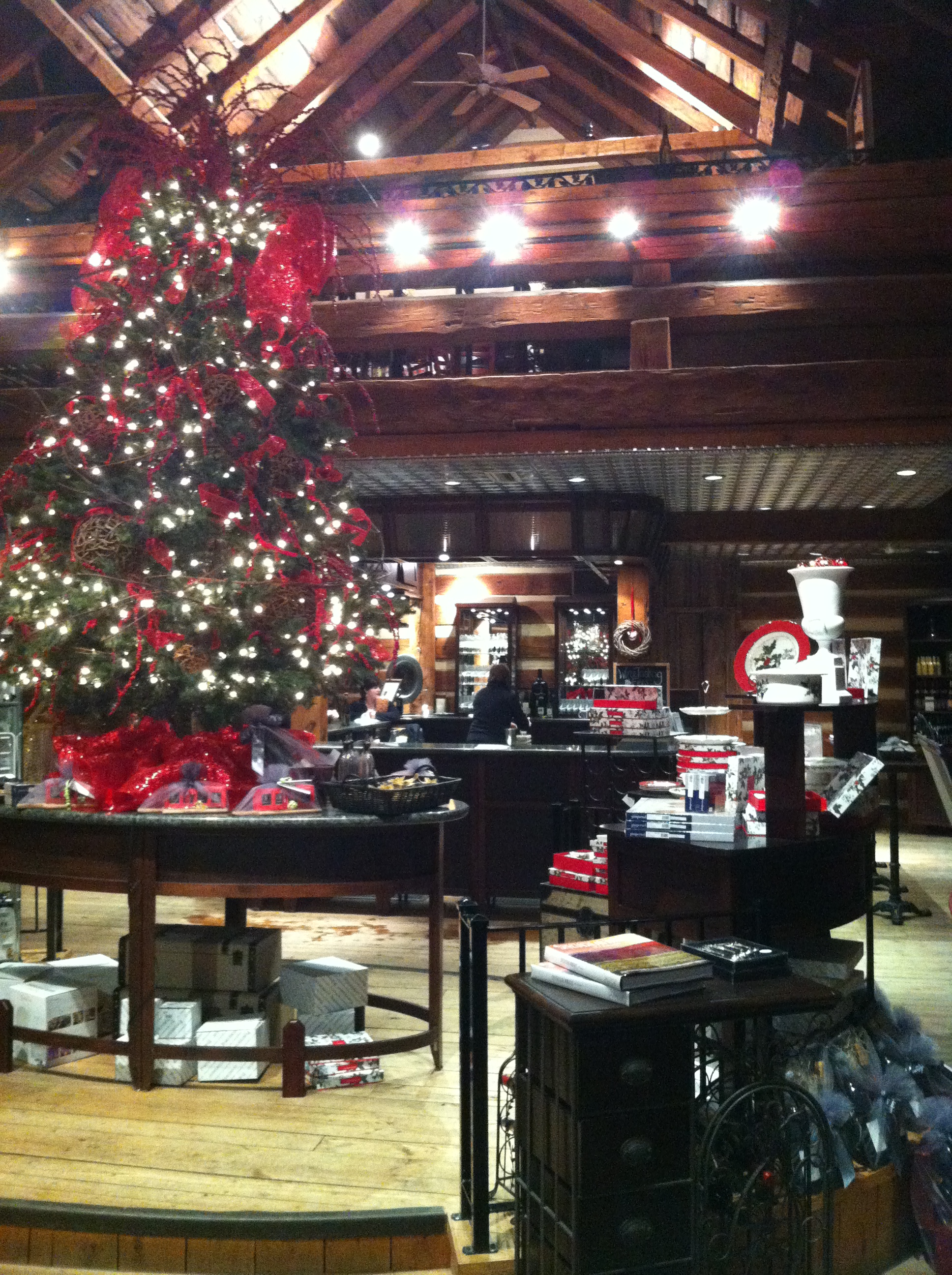
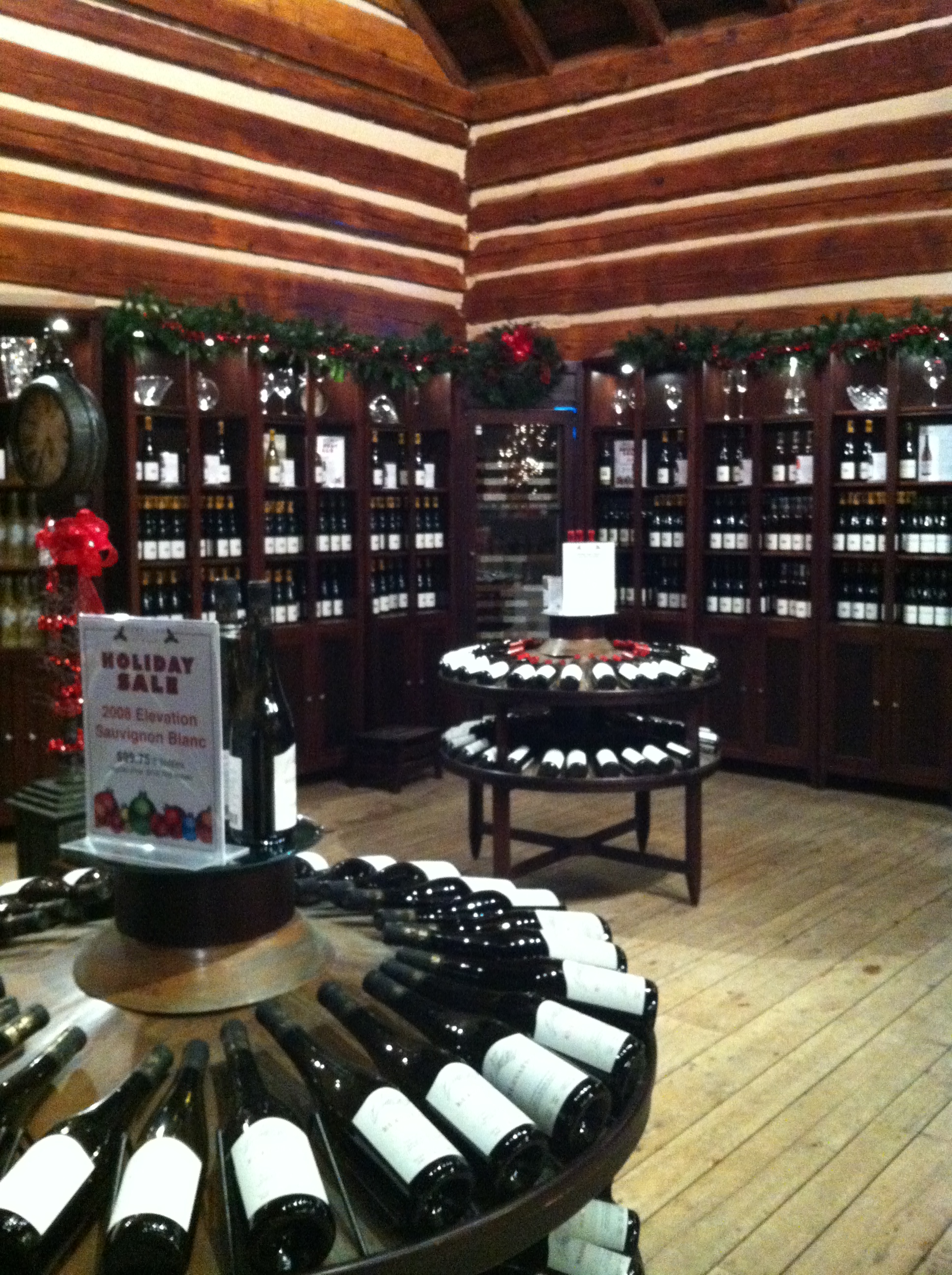
The beautiful Christmas decor inside the tasting room and wine shop

The beautiful Christmas decor inside the tasting room and wine shop

The 2011 Gewurztraminer was a real treat. I personally adore Gew wines, and this was a fun wine with an interesting mix of violet, rose, and tropical fruits. I thought it was the closest Canadian wine to an Alsatian Gewurztraminer that I have ever tasted. Considering our climatic and terroir differences, this little finding was quite pleasing. The finish was filled with chalky lemon, and lingered on and on and on…

The only winery in Canada that I knew, up until that day, to be making a Fume Blanc, was Clos du Soleil out of the Similkameen Valley in Keremeos, BC. I was so excited to try out Vineland Estates’ Fume Blanc for the simple fact that I love Fume Blancs, and I wanted to do some comparing and contrasting. Vineland Estates’ Fume Blanc is part of their Reserve line of wines, and it is a unique and handsome beast. The vintage is 2007, and it is made from 100% Sauvignon Blanc, and the abv is 12.5%. Tropical fruit, butterscotch, herbaceous notes, and tart lemons pleased my nose and palate. This wine was high acid, and had the most interesting long finish filled with smoke and flint. Yum.

I always enjoy a good rose that includes Pinot “Dusty” Meunier, but one won’t often find a single varietal wine from this grape. “Dusty” is typically used in blending, and rarely sees itself stand alone. Not at Vineland Estates! Brian did everyone a service by making and sharing this fantastic wine; good on you, Brian! The 2011 Pinot Meunier is a close relative of Pinot Noir, and so it holds some similar qualities to its “brother”. This wine was earthy and dusty. Its lighter body brought on red cherries and dark fruits which communed in the glass. A gravelly finish completed the tasting experience. I also bought a bottle of this. How could I resist?

IMG_0710

Lastly, I tried two Cabernet Francs. I thought their 2011 Cabernet Franc was just delightful. A bold expression of Cabernet Franc, and yet completely approachable. I enjoyed the dance of red and black fruit, with a light smokiness from the oaking on the palate. Cherries and cloves, oh my! Such an interesting complexity for a lighter bodied wine! While I would have preferred to purchase another bottle of liquid Cabernet Franc gold while I was at Vineland Estates, alas, I could not. Their 2010 Cabernet Franc Reserve was off the charts delicious! I’m not sure if it was the touch of Cabernet Sauvignon and hint of Merlot that did it, but my tasting notes which are currently beside me say, “Wow!” Smooth cherried earth, a good tannic structure, and a long finish brimming with both tart and spiced fruits, cloves, and pepper…Need I say more?

Thanks for joining me on my Niagara Bench wine tour journey!

Cheers!