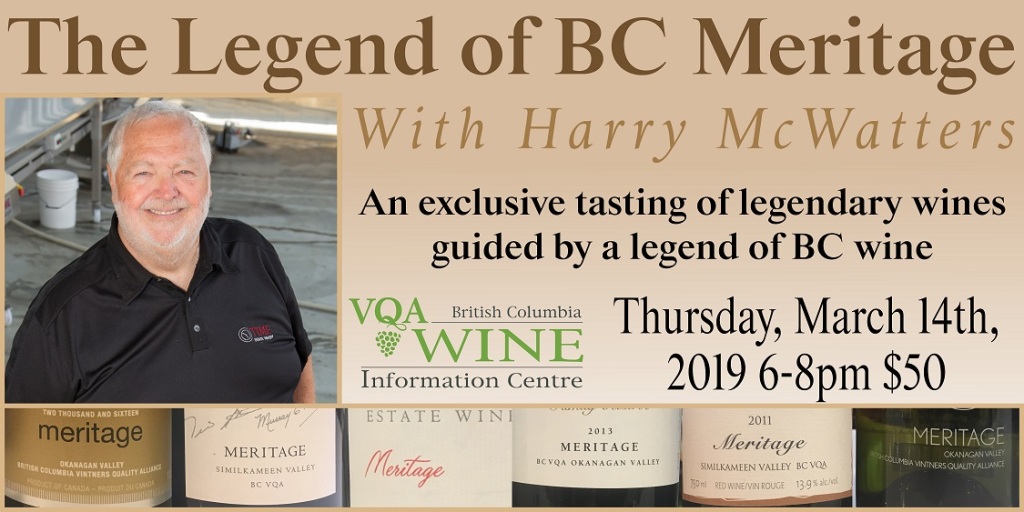
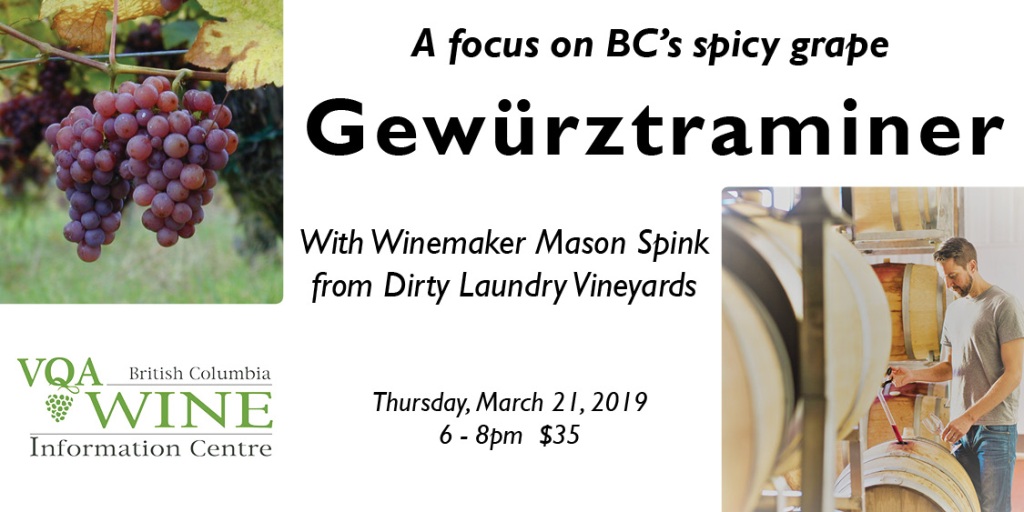
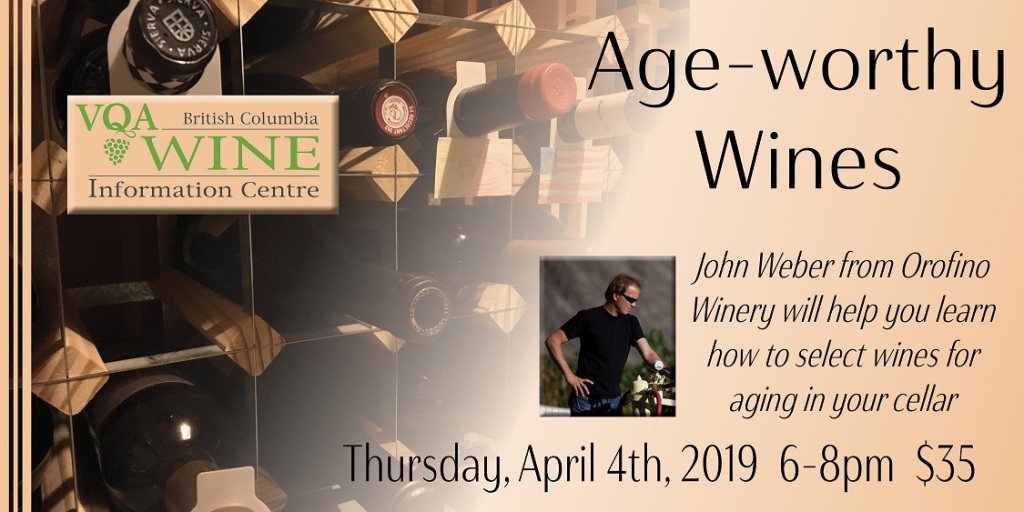
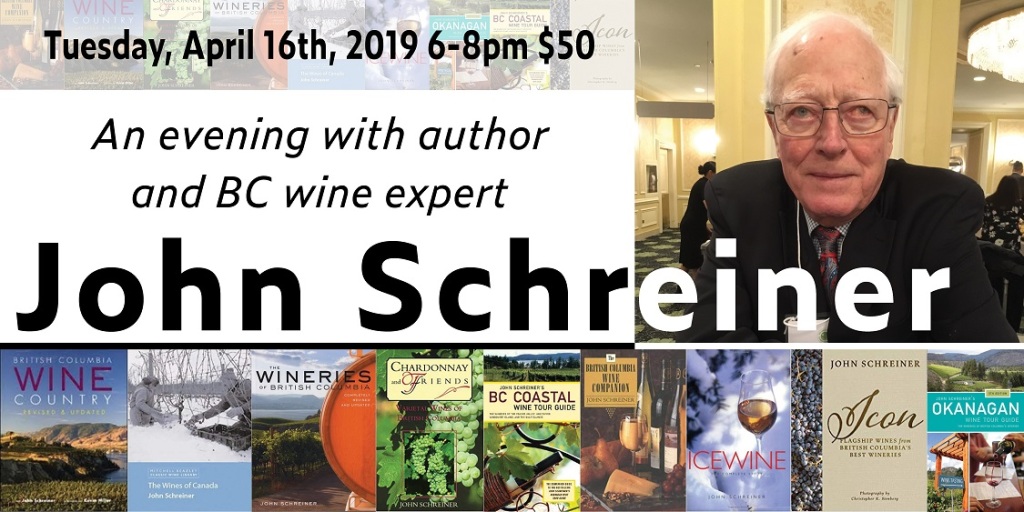
If you didn’t know that the BC Wine Info Centre in Penticton hosts unique, casual wine education seminars to help folks learn more about our province’s wines, then you do now.
The BC Wine Info Centre, home to over 900 different kinds of BC VQA wine, is not just your average wine store. Re-opening in 2017 after a move into its current home, the Info Centre developed its seminar series to help the general public with gaining knowledge about BC wines, educating on BC wine history, teaching the sensory aspect of wine, and allowing attendees to come into exclusive contact with wine principles themselves.
Photo courtesy of the BC Wine Info Centre
Donna Faigaux, Manager of the wine store, told me about a few key takeaways for those who attend these seminars. “We’re the only store which is nonprofit, [so] every bottle counts. They learn something new, and are inspired to try something new. Everyone gets a new kernel of information; it happens to everybody. That’s the joy of wine and its vintages.”
In its chic, contemporary setting, guests will enjoy intimate tastings of 5-6 wines. With a maximum of 20 people in attendance, guests can relax, sip, and learn. Luke Whittall, the Wine Club and Events Coordinator for the BC Wine Info Centre, informed me that this is a great opportunity for folks to not have to travel too far to experience what BC has to offer in the wine world.
Photo courtesy of the BC Wine Info Centre
What these events offer is an “informative experience beyond what you can get at a wine shop. A much more in depth experience. A winery is limited by what their portfolio is. We have a larger cross section [of wines].”
“A lot of the tickets [sold] are individual tickets,” Whittall added. “Many people don’t come in pairs [and] you meet people who are equally as enamoured” with BC wine.
Each event ranges in price, with some as low as $35.00/pp, and includes not only the education and tastings, but also a beautiful charcuterie board filled with crackers, pickled goods, cheeses, meats, and complementary jellies, to nosh on post-tasting. Some of the seminars are single varietal focused, and others will include the opportunity to compare styles of BC wine against wines from around the world.
Photo courtesy of the BC Wine Info Centre
Faigaux communicated that these events are meant to be easy-going, informative, and educational. “They are meant to be fun, and not so much structured. Everything is so approachable, [and we] speak in a variety of different levels.”
Beyond the exploration, both Whittall and Faigaux shared a key point – that wineries are eager to attend these types of experiential events.
“The winery folks are always impressed by the quality of questions that consumers are asking,” Whittall shared. “Wineries haven’t really been approached for something like this; they’ve never done this kind of thing at the same level. They are often asked to do tastings at wine festivals, for trade tastings, in board rooms, panel tastings, etc. But to do a fairly casual, sit-down tasting where they can present wines on a topic” is unique.
Photo courtesy of the BC Wine Info Centre
Further to that, Faigaux added, “We’ve had wineries approach us about doing tastings. Part of the uniqueness of the centre is that it’s about sharing the story directly from the winery, understanding what is behind that label, what possessed [them] to get into this business. It’s about having the wineries feel like this is partly their centre, too. We get such great industry support.”
With all retail staff in the store having at least their WSET Level II training, you can rest assured that there is a lot to be gained by walking into this store.
Faigaux’s appreciation for BC wine, and wine in general, showed in the pride she held about the store’s operations. “It’s worthwhile to be in this store; there are some really interesting wines in here.”
If you’re not keen on attending any of the fantastic events coming up, stop by if only for the sole reason of checking out one of the coolest wine stores in the province. One will find wines like the delicious 1998 CIPES Ariel and other special bottles. Or you could purchase the newly-shelved 2006 Syrah from Desert Hills or 2012 Buddhafull from Eau Vivre.
Sometimes, the Universe leads you to meet interesting people along your journey. And I have met a lot of people in the wine business, having traveled to wine regions in Canada, the United States, Italy, and France. Recently, I had the chance to interview Michal Mosny, winemaker of Winemaker’s CUT wines, and talk about this personal label of his. One of the most interesting things about Mosny is how humble he is. Not once while I was interviewing him, did I ever get the impression that this was just work for him. He deeply loves making wine, and this was one of the reasons why I was so curious about his creations.
ABOUT THE WINEMAKER
Mosny was born in Slovakia, and worked for some large-sized wineries before moving to Canada. Mosny and his wife, Martina, decided to take a leap across the pond, and start winemaking in the Okanagan Valley.
And as we began talking, it became more and more evident to me that Mosny, who sees himself as a creator and not a scientist, loves the concept of terroir. Mosny is highly invested in the philosophy that good wine comes from good land. I dug deeper, pun intended, to investigate. What I learned is that Mosny appreciates using what the land provides him in order to make the wine that goes into his bottles. In his words, all winemakers “need to know the soil” from which their grapes came.
Mosny believes the focus of his Winemaker’s CUT portfolio is to “capture a moment in time, cut from vineyard vine”. Using a blend of oaks (French, American, & Slovakian), wild or specially selected bio yeasts, and soils which have not been given artificial fertilizers, the Syrah and Sauvignon Blanc are indeed terroir-driven. Mosny also has a sustainable farming and zero pesticides policy.
“Every year we are learning,” Mosny said, “and we harvest and ferment different rows based on how they are performing.” Additionally, Mosny stated that the soil at Deadman’s Lake Vineyard, which is situated between the towns of Osoyoos and Oliver in British Columbia, is “super rich in minerals”. The impression that I received is that Mosny is listening to the land, and is using it to inform his winemaking practices. To him, this process isn’t just about making wine for the sake of making wine; he is invested in the truth of the grapes he works with.
The wines in focus: one Sauvignon Blanc and one Syrah. That’s it. No more, no less. And with the tasting of both of these, I was curious about future vintages because Mosny’s focus is to avoid picking the grapes at too high brix. Let’s take a closer look at the wines themselves.
THE WINES
~2017 Winemaker’s Cut Sauvignon Blanc VQA—$25.00/btl—180 cases
Delightfully youthful Sauvignon Blanc with pineapple core, dusty mineral, lemon, orange blossom, and dry grass notes. The finish is bursting with notes of grapefruit pith and kiwi skin.
My three words to describe this wine: Refreshing. Approachable. Clean.
Mosny’s three words to describe this wine: Tropical. Mineral. Fish.*
(*Fish because Mosny loves this particular wine with most fish dishes!)
~2016 Winemaker’s Cut Syrah VQA—$32.00/btl—260 cases
Will develop nicely with some time. Notes of bacon fat, stewed fruit, course black pepper, mace, and Madagascar cherry mingle well with the toasty character from the oaking program. Lighter than some BC Syrah’s, though quite approachable. I would guess this as Syrah in a blind tasting; it has a nice balance of fruit and spice.
My three words to describe this wine: Complex. Accessible. Engaging.
Mosny’s three words to describe this wine: Elegant. Restrained. Flavourful.
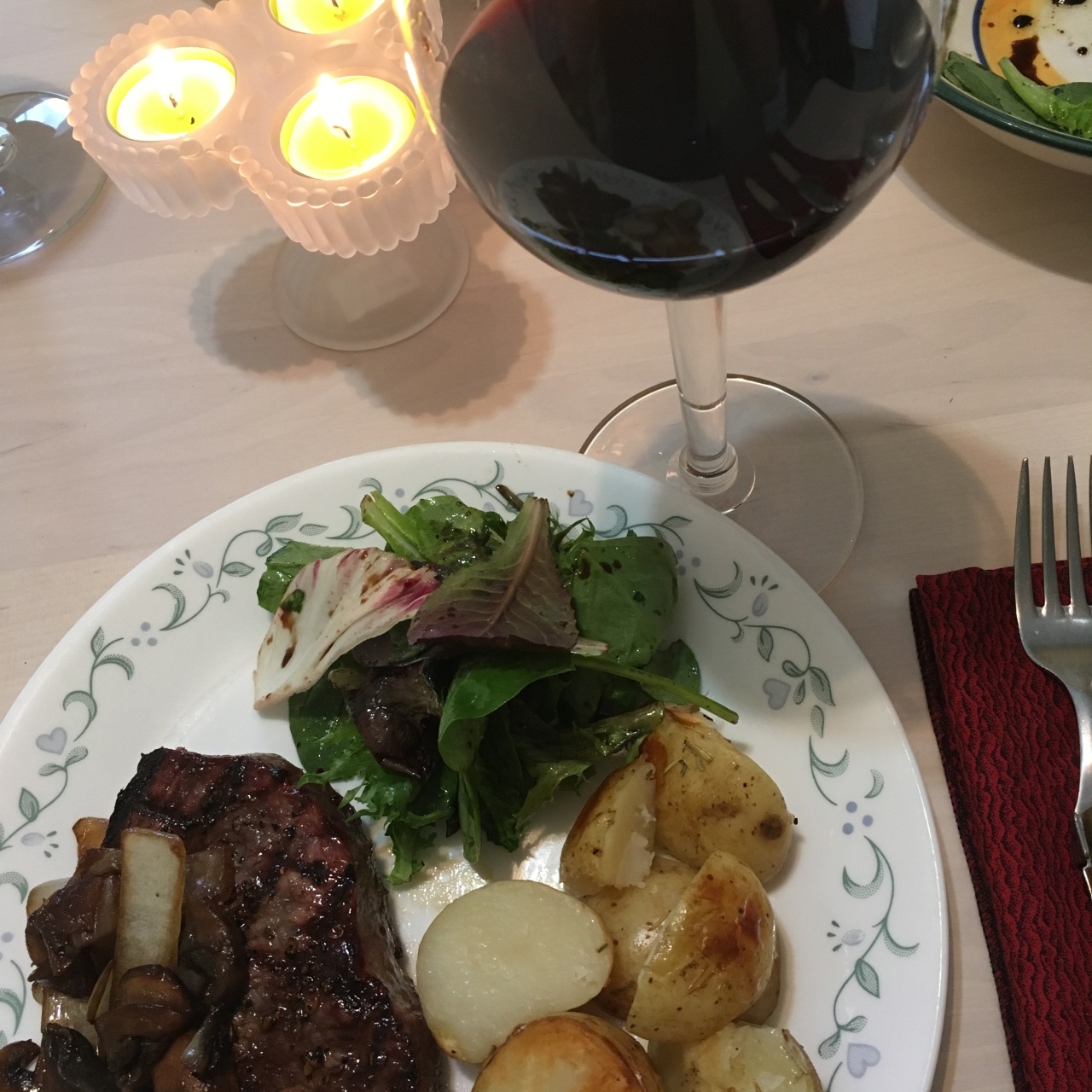
Perfect pairing for the Syrah: BBQ steak, grilled potatoes, and salad
There is a tangible focus in these wines. I tasted them over the course of a few days, and they held up well in the bottle. Again, I’m very intrigued to see how future vintages “roll out”.
FOR MORE INFORMATION
For more information on the Winemaker’s CUT Collection, please visit their website at www.winemakerscut.ca or you can write to Michal & Martina at cut@winemakerscut.ca.
Thanks to Michal Mosny for the samples; I had a lot of fun exploring them!
I knew it was going to be a good seminar when I could see the line-up of attendees curling around the corner of the hallway at the Vancouver Convention Centre on Saturday, March 3rd, 2018. People approached the front table asking, “is that the line-up to get in?” Yes, yes it was.
Folks eagerly awaited the doors to swing open, signalling their chance to run for seats; and did they! As I headed to the designated media area, and before I could even sit down, elderly ladies were flinging purses in hot pursuit of those precious front row seats in front of Spanish winemakers, proprietors, and other influentials. I was stunned.
But one thing is true when it comes to passion; nothing really will stop you from getting what you want. And people wanted to know more about Spain’s Blockbusters.
We weren’t about to taste those value-driven wines that most of us are familiar with in our market. No, we were about to embark on a palate journey unlike any other. The average bottle price leaned into the not-your-everyday-wine territory of $76.00, so blockbusters it was.
Rhys Pender, Master of Wine (MW), moderated the panel as we embarked on our tasting. Pender’s opening remarks taught us about Spain as a wine growing region, and he talked about diversity. A key point: Spain’s wines are “effected by the Atlantic and the Mediterranean Oceans” which varies not only grape-growing conditions, but also terroir. Pender labeled Spain as “an exciting country”.
Excitedly, Pender noted that there are many new, small wine regions emerging in Spain. “Other regions are starting to pop up on the map,” Pender stated, “And old regions are coming back into prominence.”
Before introducing the first speaker, Pender wanted us to know that we were in for a ride, and that Spain’s blockbusters are “intense wines with history”.
A few glorious white wines began our journey. The Arinzano Gran Vino White was first up to bat, and Manuel Louzada said this 100% Chardonnay-based wine is “as sexy and exciting as Chardonnay can be”. Not floating on the “ABC” boat, I quite enjoyed this Chardonnay. It was a pleasure to taste this full-bodied, apple & sweet spice-driven wine for $89.99/btl.
The Baron de Chirel Verdejo was highly likeable with its intense, fresh fruit notes. Jose Luis Muguiro Jr. communicated that this Verdejo was made from 100 year old vines. A second delicious white wine.
We quickly went into red wine territory. Darrell Jones, representing Anciano, brought the 35 Year Old Vines Garnacha. This was a fun, red wine that did not see any oak. It was juicy and fresh. Jones’ main message was told through a unique simile. “Unlike us humans, with old vines, you get juicier fruit and more intensity.”
One of my favourite wineries at the festival was Bodegas Faustino from Rioja. Carmen Oros, winemaker and the only the only female on the panel, eloquently spoke of the family’s winery created in 1861. “The property is 100% in the family,” she stated, and this 2005 vintage wine is, “A nice example of the Gran Reserva tradition in Rioja.” During the festival itself, I brought a number of people to the Faustino booth, so that they could try the red & black fruit driven wine which also had notes of smoked salt and black raspberry. A savoury finish followed. At $39.99/btl, this is a steal.
CVNE‘s Tony Batet presented his 2010 Imperial Gran Reserva with pride. Made from a blend of Tempranillo, Graciano, and Mazuelo, this particular wine is only created in the best vintages, and it was a pleasure to experience the jammy notes with a micro white pepper finish.
The Baron de Chirel red made from 70% Tempranillo was a firmly grounded red with grippy tannin. Dark plum and spice dominated the scene with some rose and cola notes peaking through.
The seventh wine on the list was a gorgeous red from Muriel Wines. This 2015 Rioja named “Conde de los Andes” was fruit-driven and savoury all at the same time. Grilled herbs and raspberry made me want another taste. And as if I wasn’t already swooning, the 100% Tempranillo-based wine from Cooperativa San Pedro Regalado out of the Ribera del Duero region called Llano de Elena caught my attention with its spicy & savoury notes and red berry influence behind the toastiness from the oaking program. Rhys Pender, post-tasting of this wine, called the Ribera del Duero “a pretty extreme region”, and Javier Delgado-Aurteneche educated us on how intense the diurnal swing is for their vineyards.
Miguel Gill, representing Bodegas Tridente, brought the Rejon 2014 for us to try. This Tempranillo-based wine is made from 130 year old vines, and Gill informed us of its “low production” status. This wine is “quite different to drink very young”.
Moving into Monastrell-based wines, we listened as Daniel Castaño explained how “well adapted to a […] really dry climate” this grape is. The Familia Castaño 2014 “Casa Cisca” from Yecla at $58.99/btl exuded a mix of red and black fruits, black pepper, and a beautiful smokiness.
The final two wines were a mix of the bold and beautiful with a focus on blended reds from Jumilla and Priorat, respectively. The “El Nido” from Bodegas Juan Gil danced over my palate with notes of everything from cherry cola to black tea to plum and fennel. It was an absolute dream wine. According to Loren Gil, the grapes are “hand harvested and then a manual selection of grapes” is done. Great care is taken with this wine, and might be one of the reasons why the price point is at $185.00/btl. The Gratavinum GV5 Priorat, an organic and biodynamic wine, brought terroir to the table, with notes of graphite and spice, and the finish was focused on the tannin which showed an essence of cinnamon. This was a bold wine made from Cariñena, Garnacha, and Cabernet Sauvignon. $88.99/btl.
After only a mere few hours, I felt as though I had traveled through Spain in a mere few sips. The brilliance of these Spanish wines reflect the intensity of passion in the producers, the heartbeat of the land, and the kind of celebration that wine can truly offer the world. Until next time…
Cheers, everyone!
Special thanks to all of the organizers, volunteers, panelists, and moderator Rhys Pender for an amazing educational session!
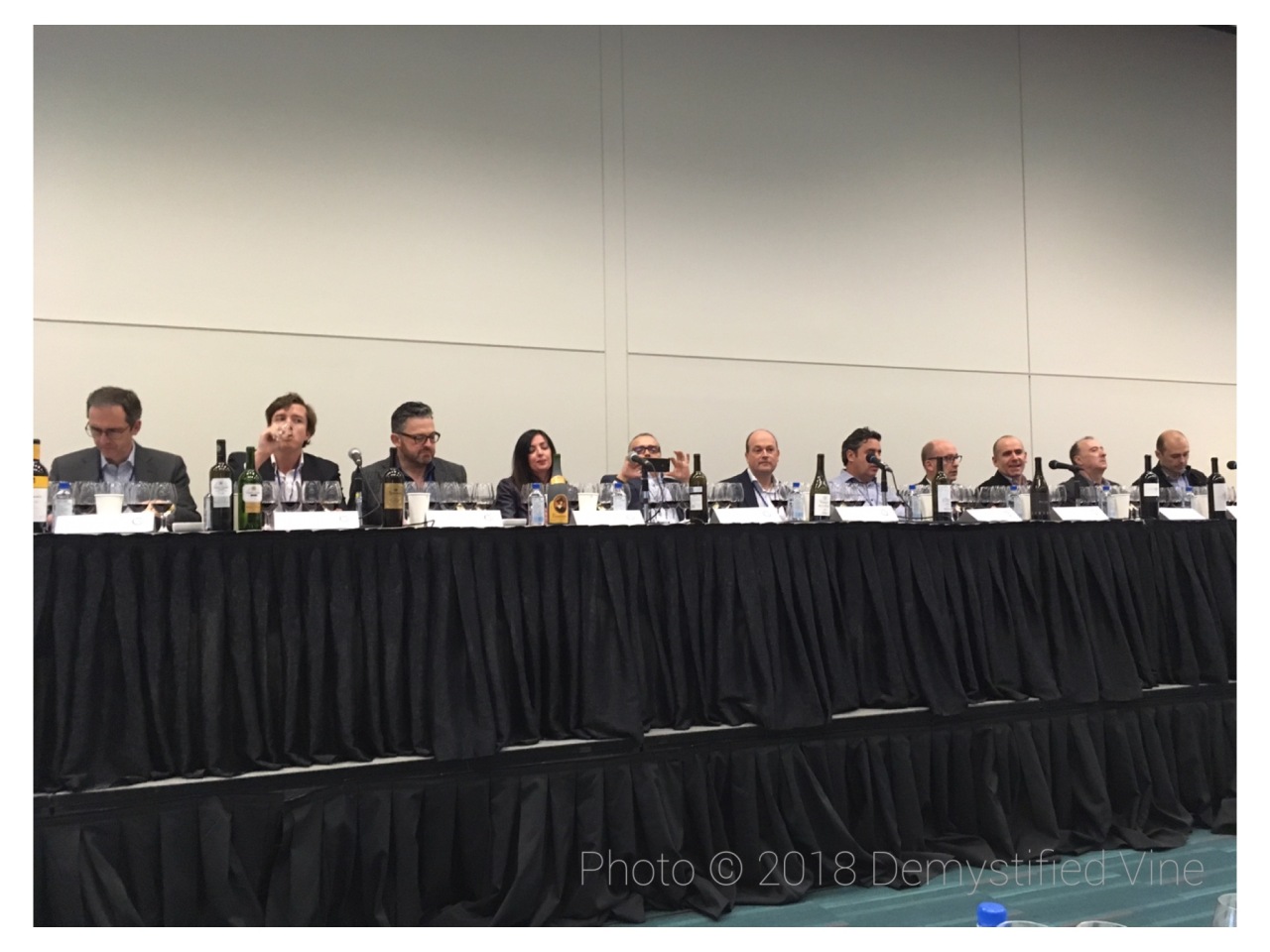
“What you are looking at in front of you is the national team of Portugal.”
Paul Wagner, an instructor for over two decades for Napa Valley College’s Viticulture and Enology Department, began our journey into what Portugal has to offer in the glass.
A history lesson progressed at this Vancouver International Wine Festival seminar, with rich description of how wine came to be and how Portugal took on making this historical libation.
Historically speaking, “Port was the most important wine exported from Portugal,” Wagner informed us, and “Fifty years ago, Portugal was only making a couple wines that were [available] in our market. Wagner pressed on, “In the past 25 years, we’ve had people investing in wine quality in Portugal.”
Thank goodness the seasons are shifting towards accessibility, because Portugal’s wines are, at least in the aficionado’s territory, worth seeking out. That is honestly because there aren’t too many wine making countries offering the kind of value and quality for the price point that Portugal is.
Not holding on ceremony any longer, Wagner noted, “You’ve really got a treat in front of you.”
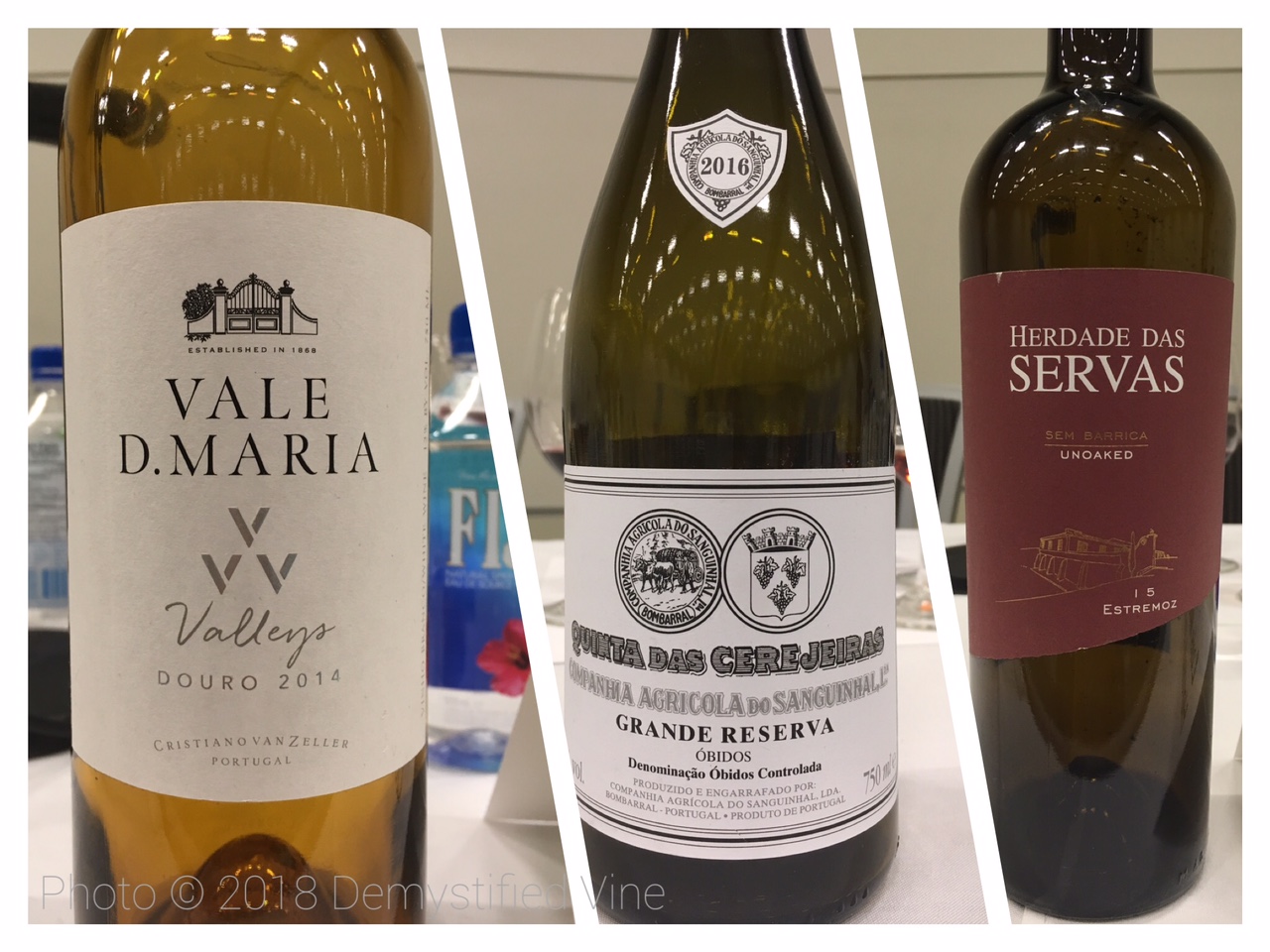
Cristiano Van Zeller, Proprietor for Quinta Vale D. Maria, opened the discussion with his VVV Valleys Douro Branco 2014. The winery has “been around for many centuries”, Zeller informed us, and I was engulfed by the buttery, biscuity, stone-fruit and beeswax nature of the Branco. The mineral driven finish was bold.
Diogo Reis, Proprietor & International Export Manager for Companhia Agricola Do Sanguinhal Lisbon, focused on the general sense of merriment that wine brings us. His words were not minced; he spoke of “the inspiration of drinking wine and enjoying life”, and that we must “have pleasure in drinking wine”. Many of us nodded in agreement as we tasted the Quinta de Cerejeiras Reserva Branco 2016.
And further down the panel of experts sat Luis Mira, Owner/President of Herdade das Servas, who presented the notion that, nowadays, terroir is a focus for Portugal’s winemakers. “The most important thing is to make a wine that tells terroir. […] To put the vision without perils [means] to drink and enjoy the wine.” Mira wanted guests of this seminar to extract that sense of place in the glass. The dark plum, black cherry, wine gum, and cola notes of the Sem Barrica Unoaked Red 2015 left me daydreaming about the summer heat of the Alentejo.
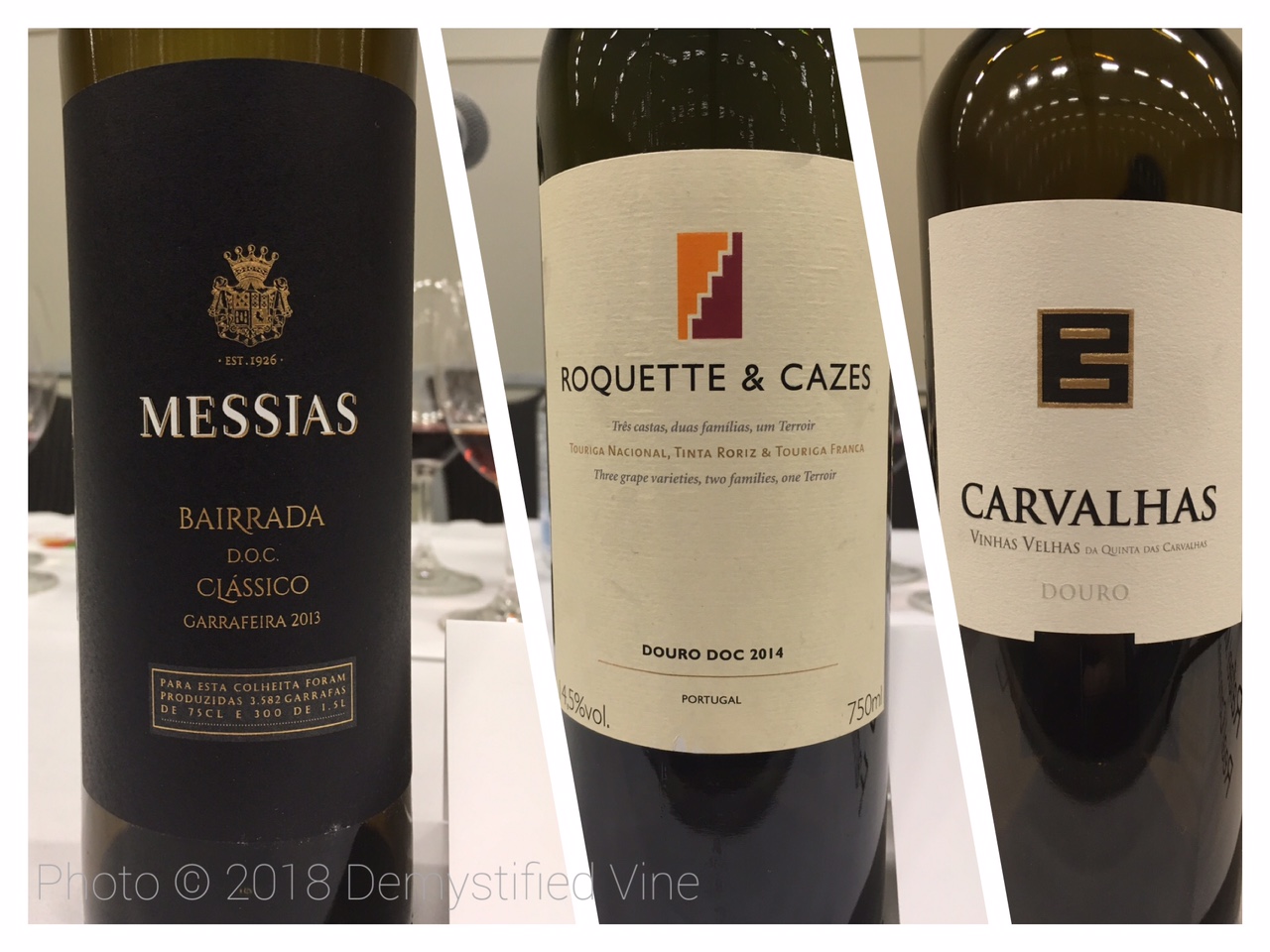
After tasting our way through Caves Messias Bairrada’s Classico Garrafeira 2013, which exuded the qualities of red & black fruits with a hint of root beer bark, we indulged in a lighter intensity wine from Famille JM Cazes out of the Douro Valley, whose Roquette & Cazes Douro DOC 2014 brought rose and raspberry, plum and toast to the … glass. I could not move on without mention of the Real Companhia Velha Douro’s Carvalhas Vinhas Velhas Tinto 2015 which knocked my socks off with its dusty mineral-driven bouquet and raspberry and wine gum notes.
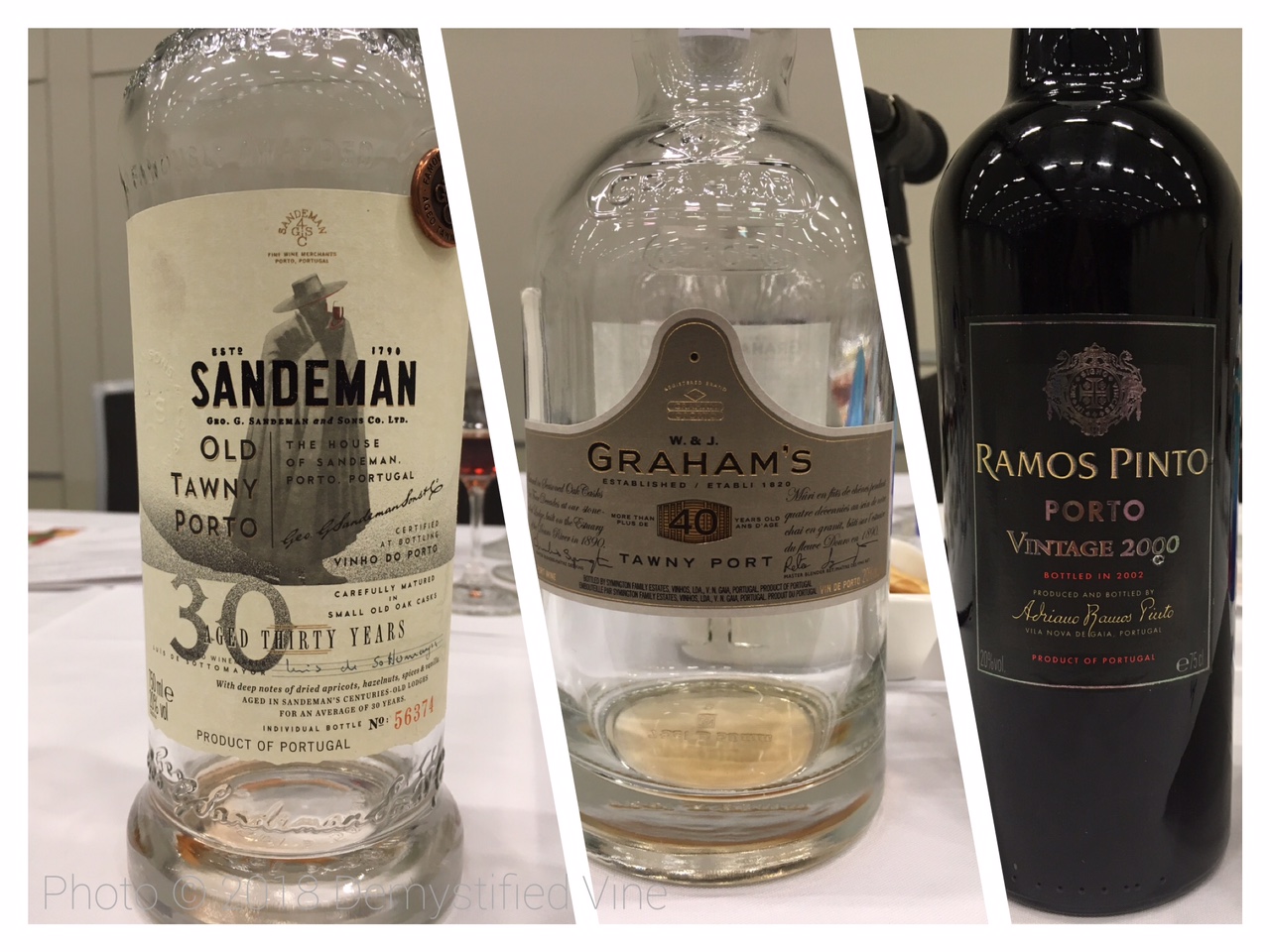
As we began the finale of our voyage, we tasted through three lovely Ports, one of which was the Ramos Pinto Vintage Port 2000. Jorge Rosas educated the crowd on how perfect a pairing Port and cheese are together.
Anna Budarina, Sandeman Ambassador for Sogrape Vinhos Douro, spoke on the Sandeman Tawny 30 Year Old Port at an estimated $110.00 CAD per bottle. “It’s not a dusty wine,” Budarina said. “There’s a brightness in it […] and Tawny is an art of blending.” Budarina, the only woman on the entire panel of speakers during the seminar, held her stature during the discussion. “We don’t want it [Port] to be a dying drink,” Budarina flatly stated, and this 30 Year Old Tawny is a “great representation of [the] versatility of Ports.”
Symington Family Estates: Graham’s Douro also poured a Tawny, but this was their 40 Year Old Tawny. As if the bar wasn’t set high enough by Sandeman, the eyes on seminar-goers began to cross as they smelled and tasted through. Burnt sugar, caramel, white pepper, raisin, and other dried fruits burst forth. At an estimated $200 CAD per bottle, we had culminated our Voyage of Discovery, indeed.
Cheers!
The Demystified Vine
Many thanks to Festival Chair Mark Hicken, Executive Director Harry Hertscheg, and Event Coordinator & MC Paul Wagner for making this seminar possible. ‘Voyage of Discovery’ was a fundraising event for the Bard on the Beach Shakespeare Festival made possible by the BC Liquor Distribution Branch, the Consulate General of Portugal, and the wineries themselves. You can find more information at VanWineFest.ca.
Terroir. This was the theme term in the Truth in Terroir seminar led by moderator Mark Shipway, DipWSET, during the Vancouver International Wine Festival held February 24-March 4, 2018.
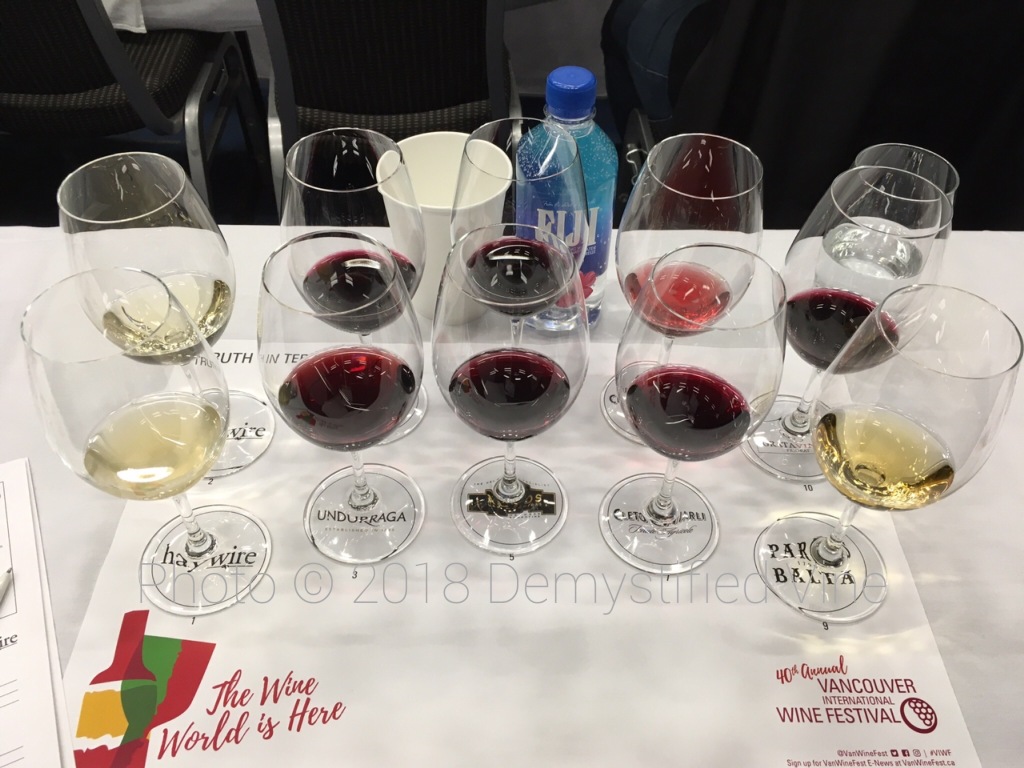
The panel of terroir-driven wines.
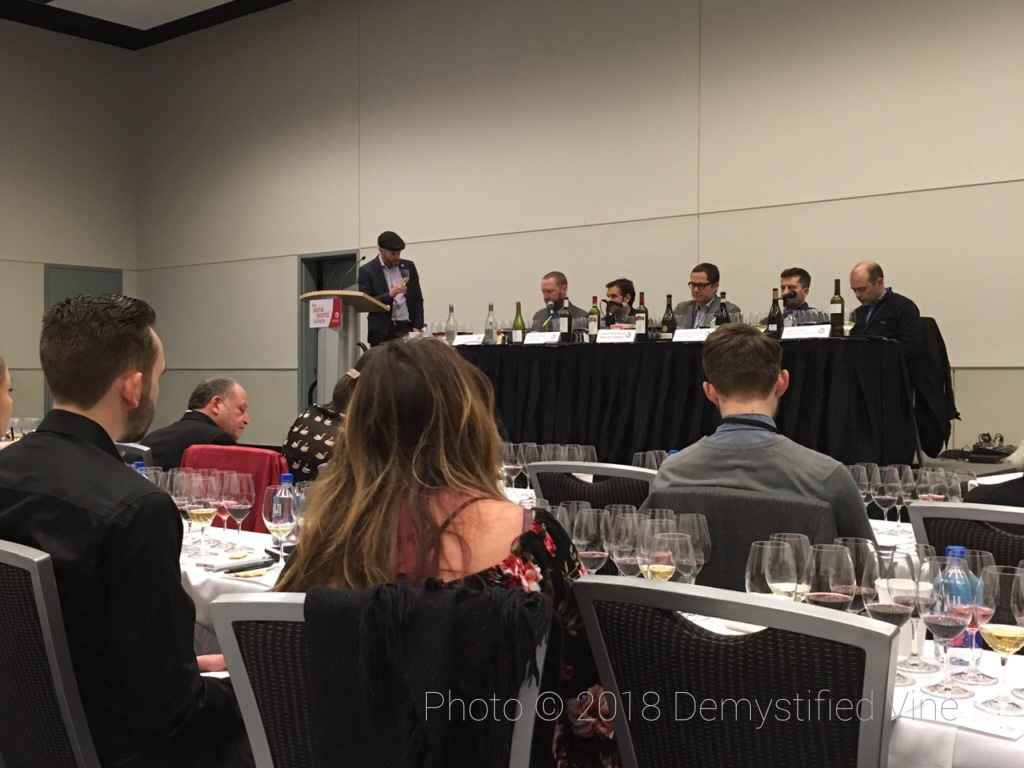
Panelists at the seminar covered the wine world nicely; everyone from winemakers to proprietors to export market managers were ready to talk about the cause-and-effect of what happens in the vineyard to what ends up in the glass. At the heart of the discussion, panelists were trying to reveal what truth there is in our notion of “terroir” and how it plays out from growing grapes to bottling vino.
While at times the discussion went into the technicalities of the wines being poured, there was a sense by the end of the seminar that terroir is an important concept in the winemaking process – at least to these panelists. By this I mean that there are many who realize how important terroir is in the identification of a wine growing region, and there are those of the party who call hogwash.
Mark Shipway, moderator (left), and panelists
Quite clearly near the end of the seminar, Shipway made a bold statement – that “the notion of terroir [is] a moving target”.
Shipway wanted to confirm the notion of climate change with the panelists, and provided each an opportunity to discuss if they thought climate change was influencing the process of getting wine into the bottle.
A few of British Columbia’s terroir gems.
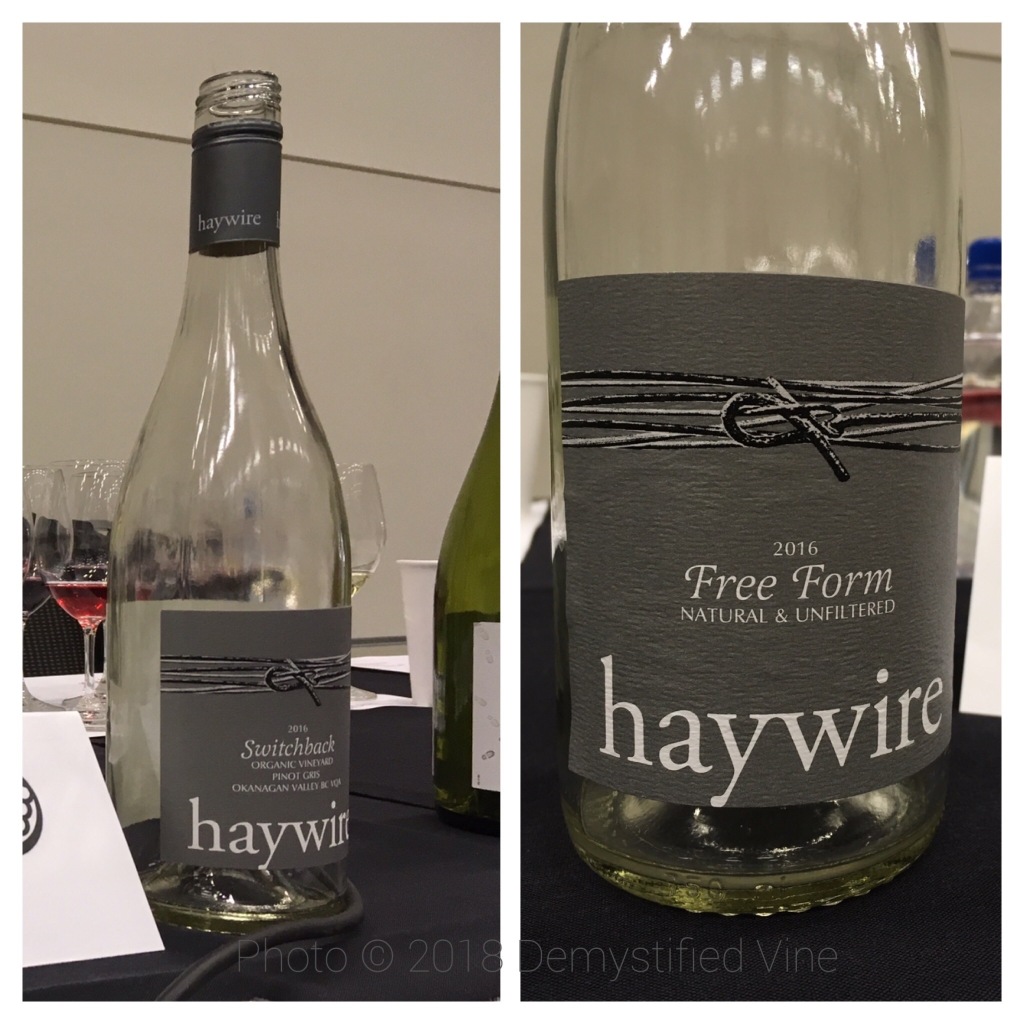
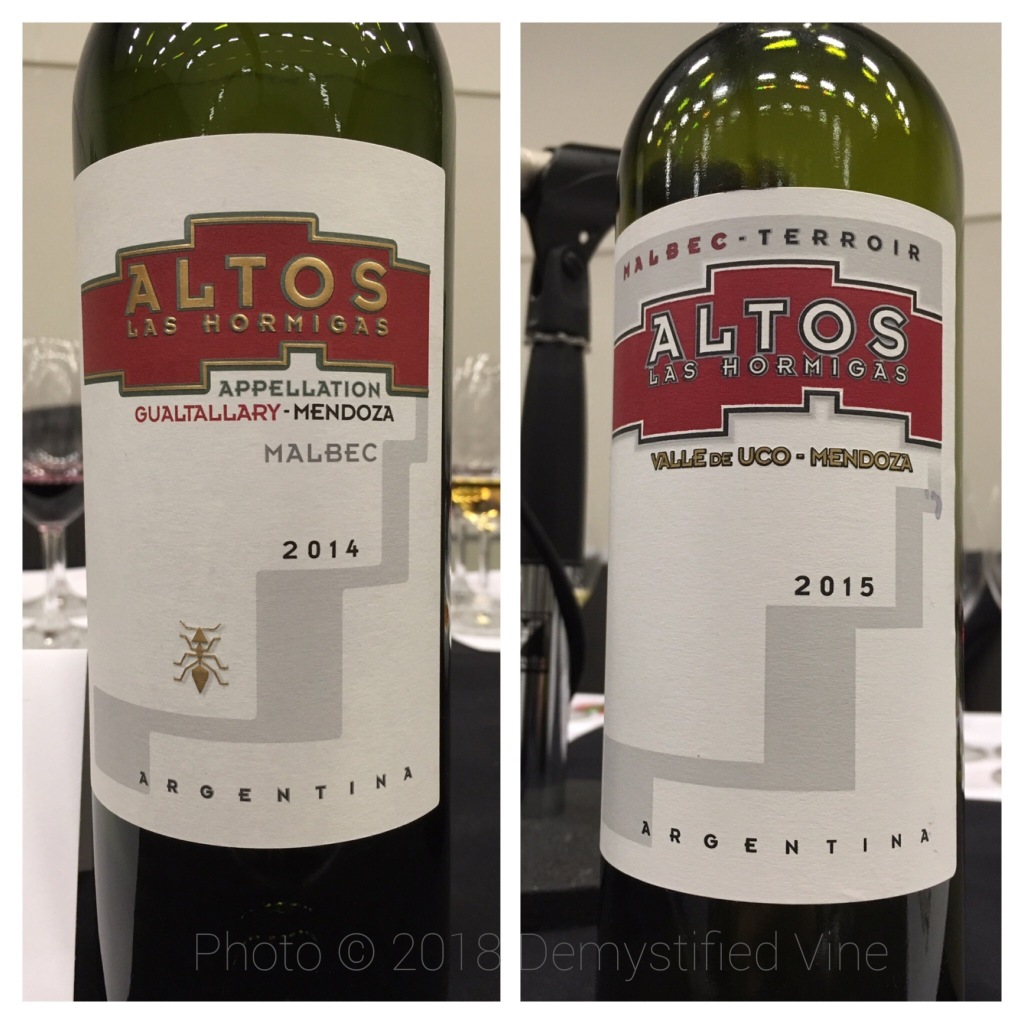
Matt Dumayne, Chief Winemaker at Haywire in the Okanagan, said he has seen “small temperature changes” but nothing major. Antonio Morescalchi, founder of Altos Los Hormigas, adamantly supported the notion that climate change is highly effecting grape growing. In recent years, Morescalchi has witnessed daily drizzle in a place which receives very little annual rainfall. Many vineyards have lost 50% of their crop to mildew. Joan Cusiné, proprietor of Gratavinum/Parés Baltà, called the last three years “terrible”, and sadly educated us on the fact that there has been a 30-60% decrease in crop due to dryness. In his beautiful accent, he said, “No water, no life”.
And that wasn’t the end of it, but Morescalchi expressed that the “concept of terroir is the concept of shared knowledge”. If that was food for thought, then I am hungry.
Some of the truest expressions of Malbec.
So, what exactly was Morescalchi getting at? To the average wine aficionado, terroir is the ground in which the grapes were grown and how the wine expresses itself post-vinification. I did not have a chance to ask him, but what I speculate Morescalchi was getting at was something deeper. We can only really understand one plot of land if we can understand the plot of land next door. Shared knowledge means we all win.
At the seminar, we were able to taste some fantastic wines that were uniquely terroir-driven. Haywire shared their Free Form White – a natural and unfiltered wine – which was one of the most aromatic British Columbia white wines that I have ever smelled.
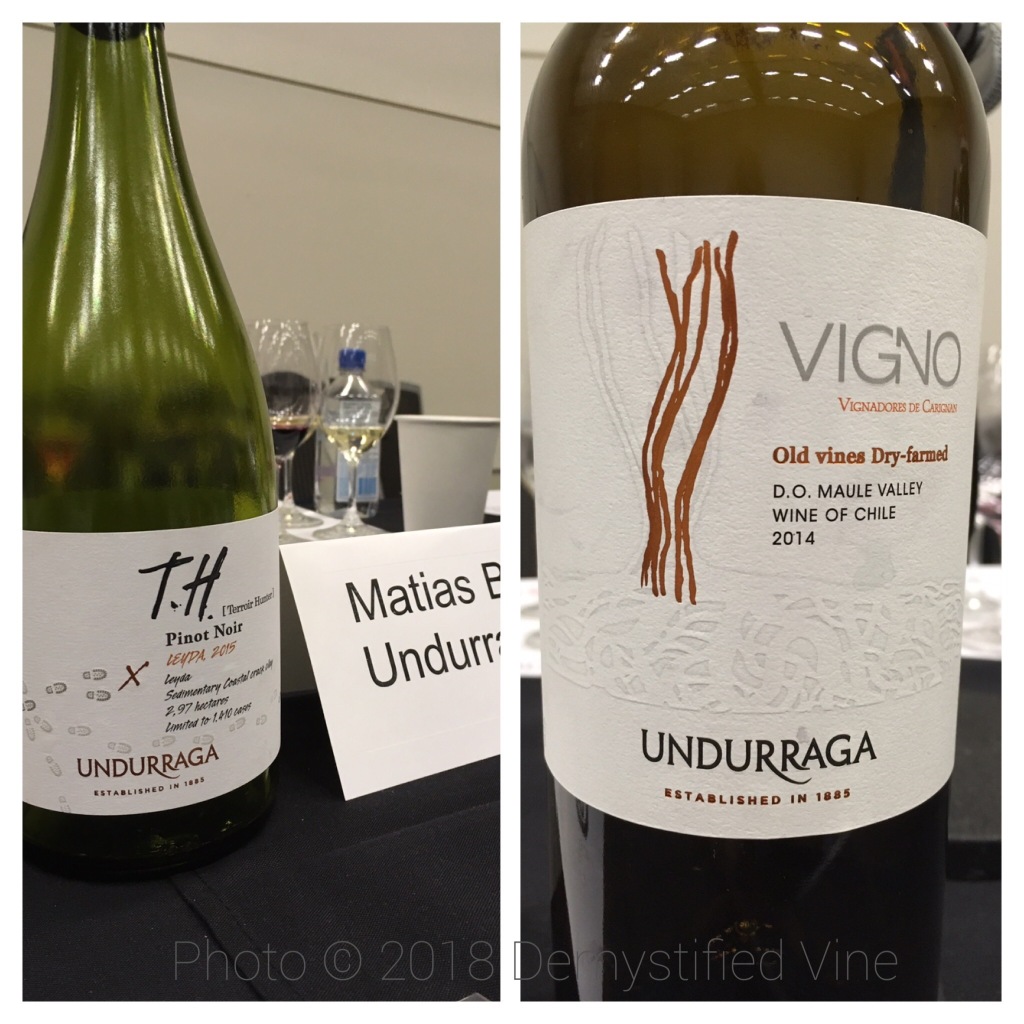
Special wines from Leyda and Maule Valley.
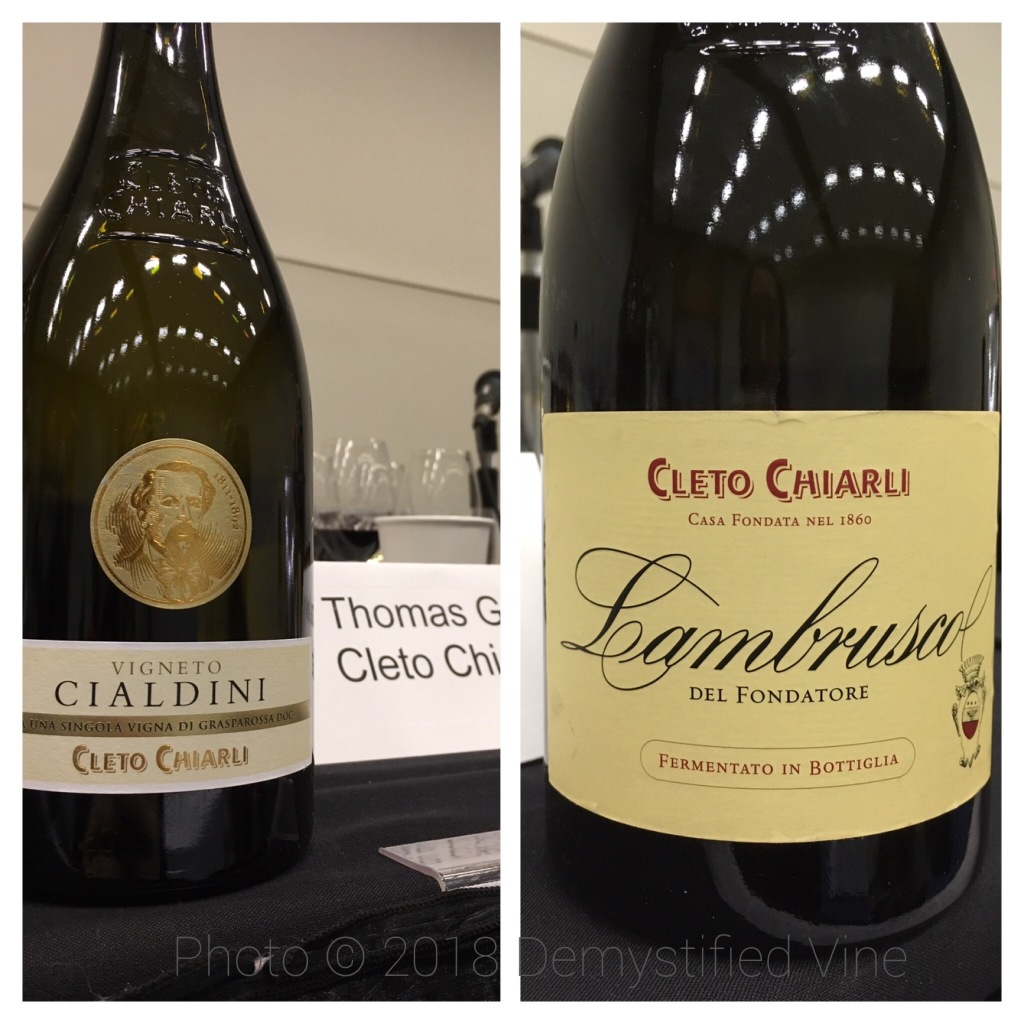
Thomas Grootveldt, Export Manager for Cleto Chiarli (Italy), shared some terroir-influenced Lambrusco from the Emilia-Romagna region. Grootveldt noted that Lambrusco is an “old, traditional-style wine” which “leaves your mouth clean and washed”. Shipway added that Lambrusco is “a gastronomic wine for Emilio-Romagna”. I nodded my head in agreement, as I recalled the old saying, “if it grows with it, it goes with it”.
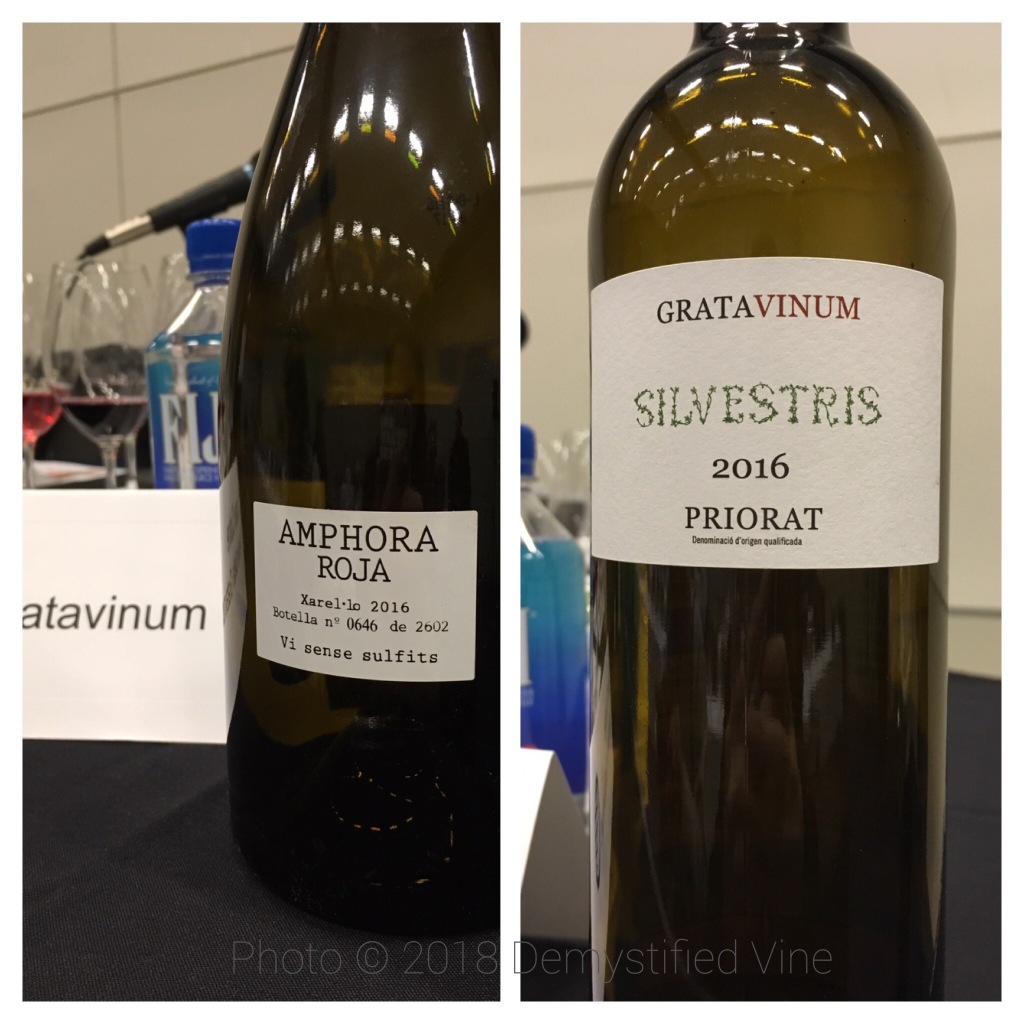
Joan Cusiné shared his Parés Baltà Amphora Roja Natural Wine which was made from 82 year old Xarelo bush vines, and his Gratavinum Silvestris DOQ Priorat 2016 which, was partially fermented in amphorae made from the iron-rich clay in their vineyards. How much more terroir-driven can you get?
Varying expressions of Lambrusco from the same region.
Matias Barros, North American Sales and Marketing Director for UNDURRAGA Chile, shared a Pinot Noir from T.H. (Terroir Hunter) out of the Leyda region and a Vigno Old Vines Dry-Farmed Carignan from the Maule Valley. Barros expressed that the “small plots” of grapes highly contributed to the “elegance” that these two wines showed. Shipway asked Barros, “Where do you see Leyda as an expression of place in the future?” to which Barros replied, “I think Leyda’s getting its own place, […] it’s gaining more attention because they have a developing sense of place.”
So, what of a “sense of place” if terroir is a “moving target”?
Amphora-influenced wines from Spain.
Undeniably, the concept of terroir is a global phenomenon; folks in the wine world are talking about how terroir effects wine and take it quite seriously. Though I think it boils back down to the fact that in the wine world, we will never know everything – even if we try to understand it all. And with the ever-changing climes on the globe, we must all band together to try to taste, document, experience, and remember the ephemeral spirit that is terroir as we know it today.
Cheers,
The Demystified Vine
Special thanks to Mark Shipway, moderator of Truth in Terroir, and to the Panelists:
Matt Dumayne, Chief Winemaker, Haywire
Matias Barros, North American Sales and Marketing Director, UNDURRAGA
Antonio Morescalchi, Founder, Altos Los Hormigas
Thomas Grootveldt, Export Manager, Cleto Chiarli
Joan Cusiné, Proprietor, Parés Baltà / Gratavinum
It was an honest pleasure to share this seminar and tasting experience with all of you.





 The Demystified Vine