The Demystified Vine

Taking the mystery out of wine exploration!

You might be surprised to find out that Greece is well known for more white wines than red ones. As with any country making wines, Greek reds come in a range of styles from soft and fruity to more vigorous and bold. One of the most interesting things about Greece’s red wines, is that they can be quite aromatic. I truly wish we saw more Greek wines in our market! There is potential for people to grow a deep love of these wines because the reds of Greece are not unlike commonly purchased varietal wines in North America, such as Cabernet Sauvignon.

The most popular red varietals from Greece are:

*Agiorghitiko          *Xinomavro          *Mandelaria          *Mavrodaphne

At the Wine Bloggers Conference in Penticton, BC, Canada in June 2013, I had the chance to try out two of the four: Agiorghitiko and Xinomavro. Time was of the essence at this tasting, as we only had one hour to attempt to taste 38 wines. I didn’t attempt to do that at all, as I enjoy taking time with each wine I try (quality learning over quantity for me, folks). As a result, I tried almost all of the Agiorghitiko wines and none of the Xinomavro. This is really bugging me now, of course. Next time around: game plan. I’ve already thought it out. Try at least three of each, and then return for others! I’m on it — not to fear! Live and learn. Onward!

Agiorghitiko 

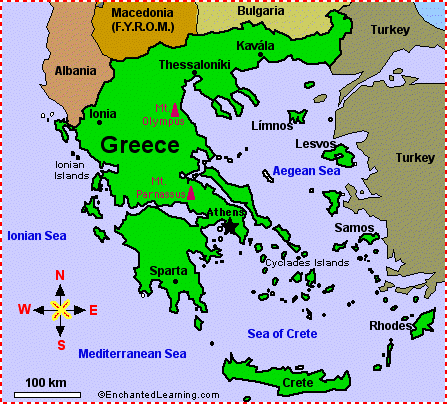
Being one of the most popular red grapes in Greece, this variety is grown in a few different places throughout the country such as in Nemea (click for map). The name “Agiorghitiko” translates into “St. George’s”, interestingly enough! The wines made from this varietal span a range of fruit forward with softer tannins, to heavier bodied and ageable. Some rose wines are being made from this grape as well. If I were to describe this varietal using a single adjective, it would be: versatile.
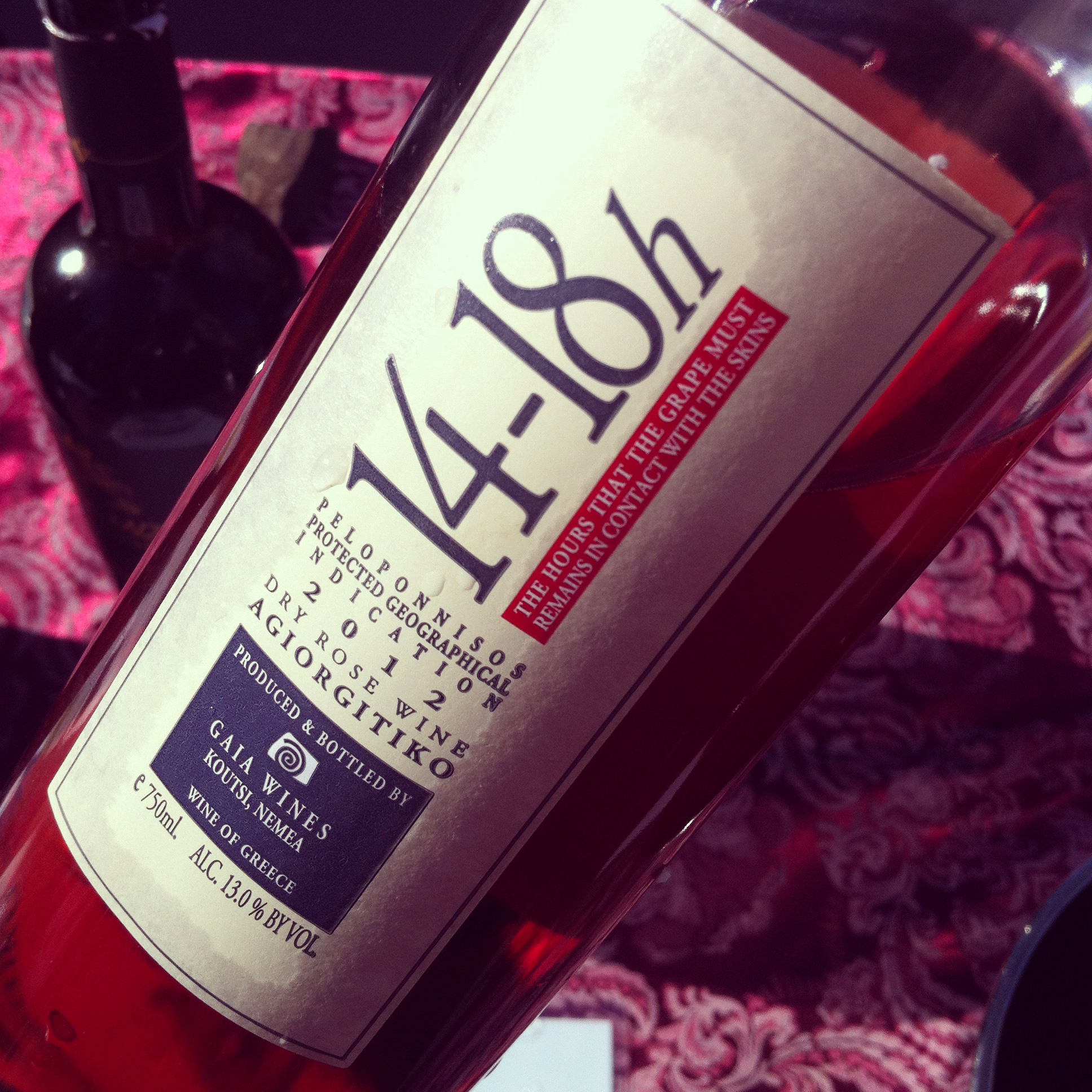
Photo copyright Valerie Stride 2013

Photo copyright Valerie Stride 2013

Lucky me! I got to try a rose when I was at the conference. The Gaia 14-18h Rose was made in 2012. I was quite interested and impressed with this wine, as it had a strong similarity to Pinotage (one of my favourite wines). The nose flung itself at you with a world of savoury spices. Cumin and hints of curry were present alongside red cherries and other red fruits. The bouquet was most definitely more interesting than the palate, but what a bouquet! The acid was solid, and the flavour profile was much lighter in intensity than I thought it would be, after having done the bouquet evaluation. Overall, I was seriously impressed, and would love to sit down with this wine and examine it a bit more closely with a piece of herbed salmon and a side salad!
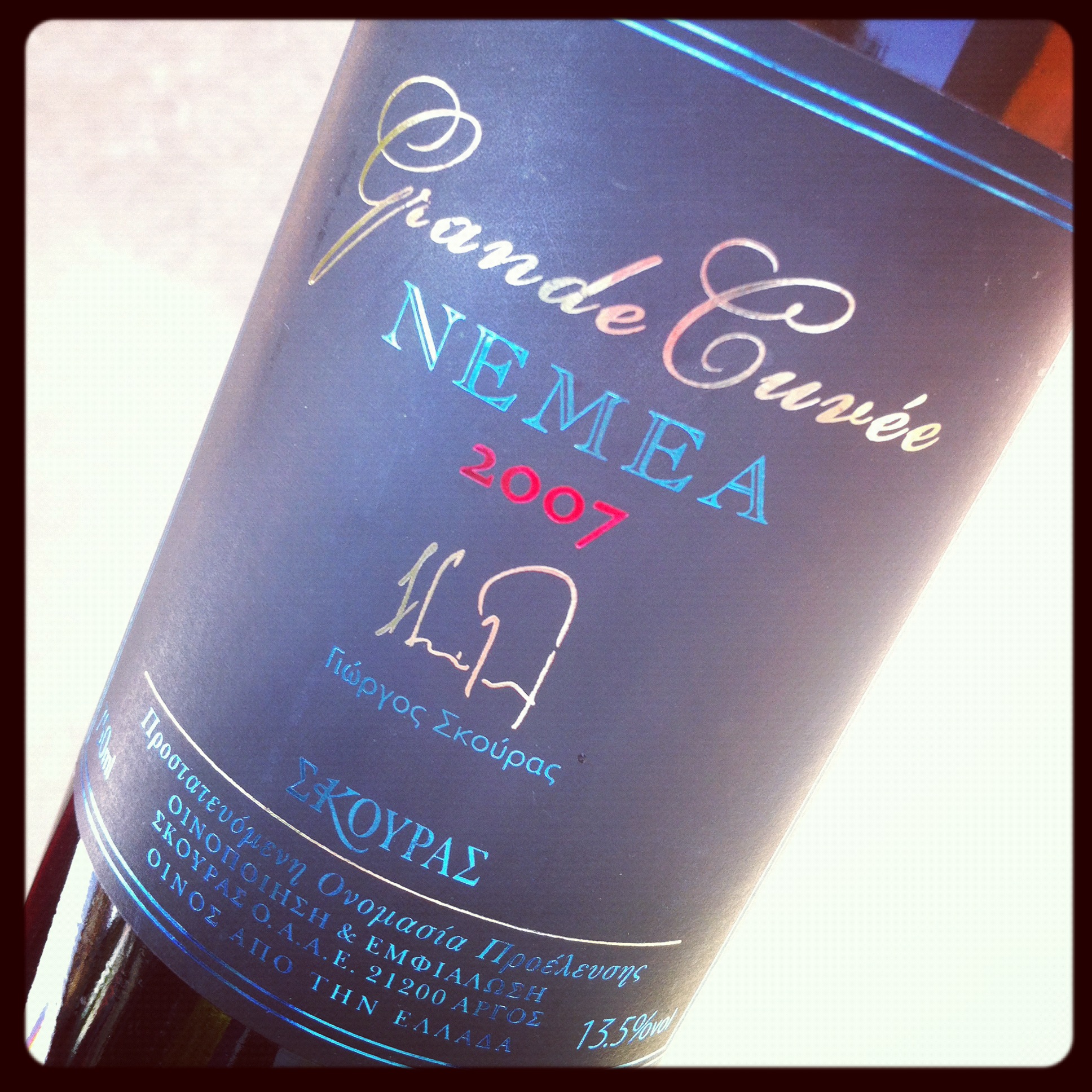
IMG_1406I also had the privilege of trying the 2007 Skouras Grand Cuvee from Nemea. Wow! Solid tannin structure here and good acid. After 6 years, this wine is still going strong; its ageability was loud and clear. Same grape, different style of wine, different drinking potential. Fantastic! Cherry, earth, raspberry jam, and peppery spice were all frolicking in this glass.

IMG_1407I know it wasn’t mentioned previously, but Greece is obviously growing noble varietals as well. I was able to try this 2005 Katsaros Estate Red that is made from Cabernet Sauvignon. It makes sense that they are growing this variety, because it needs a consistent hot climate to ripen fully and to produce a good wine. No trouble figuring out that the King of Grapes does fabulously in Greece, as this wine is already 8 years old, and has firm tannins and good acid to boot. What does that mean? Hello cellar! Red fruits, blackcurrant, leafiness, and tobacco were all present. I thought this was an amazing expression of the varietal. I’m going to have to research where I can get a bottle of this.

Xinomavro

This varietal is a true native to Greece and when you translate its name, it means “acid-black”. The skins on this grape are deeply coloured. As there are over 10,000 varieties of vitis vinifera, this counts as one of them. Xinomavro wines tend to have characteristics of red fruits, earthiness, and herbaceousness. Spices can sometimes be found, and these wines have a strong potential for ageing. Since I didn’t actually taste any of these wines at the conference (boo, I know), if you’re interested, you can research some I could have tasted:
Katogi Averoff Naoussa 2007
Kir Yianni Ramnista 2009
Kir Yanni Akakies Rose 2012

In the final installment of The Wines of Greece, I’ll be examining the dessert wines of this ancient land. I promise you I tried a few of those. >wink< So I have a sweet tooth! I admit it!

Cheers!
If I created a list of the most “well-known” white varietals of Greece (in no particular order), I would list them as the following:

*Assyrtiko     *Athiri     *Malagousia     *Moschofilero     *Robola     *Roditis     *Savatiano

Each of these varietals has one thing in common: their names scare people. I can assure you, however, that there is no need to be afraid of them. If you’d like to learn how to pronounce them, click here. All that aside, I am currently processing a bunch of thoughts on why Greek white wines are not as popular on the international market. I will attempt to address that a bit later on – probably in my wrap-up blog on the Wines of Greece.

At the Wine Bloggers Conference in June, participants had 38 different Greek wines at their disposal. Among them were Vidiano, Monemvasia, Roditis, Malagousia, and Moschofilero. I completely skipped the Assyrtiko table, now much to my chagrin. [Insert sad face here.]

Alas, what is done, is done. So, I shall focus on what I did learn and taste. Onwards!

Moschofilero

THE SIP: Let’s begin with Moschofilero. This white grape variety is known for its aromatics. If we could compare its looks to a well-known varietal, I would equate its grey-coloured skins with Pinot Gris. As such, the wine itself is slightly off-coloured, with a grey tint. Typically, this wine will produce bouquet and palate notes of light spices and floral perfumes. Greek vintners make dry, sparkling, or dessert wines from this grape, and the main region to produce it is Cephalonia.

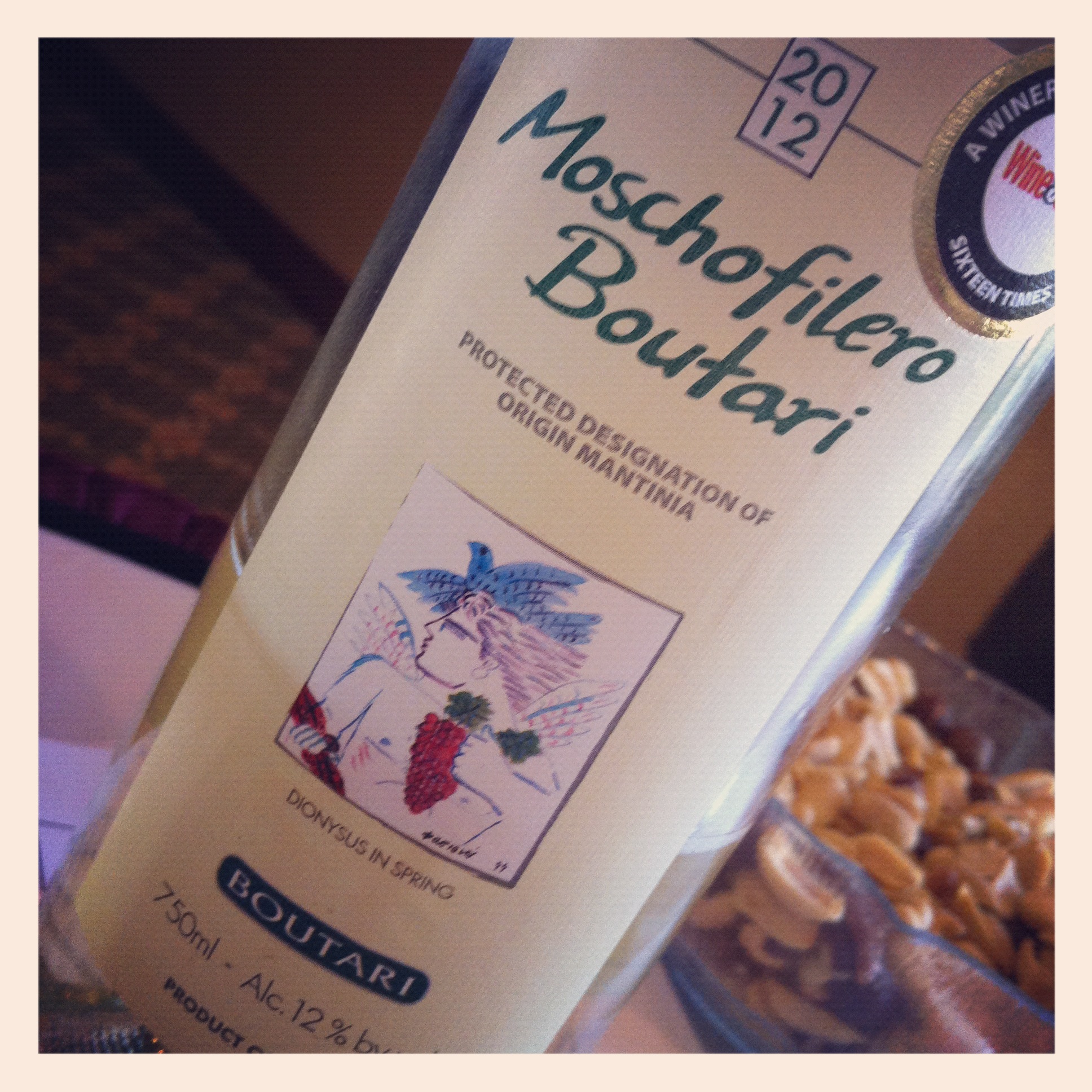
Boutari Moschofilero 2012I had the pleasure of trying a number of 2012 vintages including wines from Boutari, Spiropoulos, and Semeli. The Boutari was definitely aromatic with loads of tropical fruits (guava, light mango), citrus, and stone fruits. With 12% alcohol and a medium-dry body, this wine had surprisingly good acidic structure for a white coming out of a hot region like Greece.

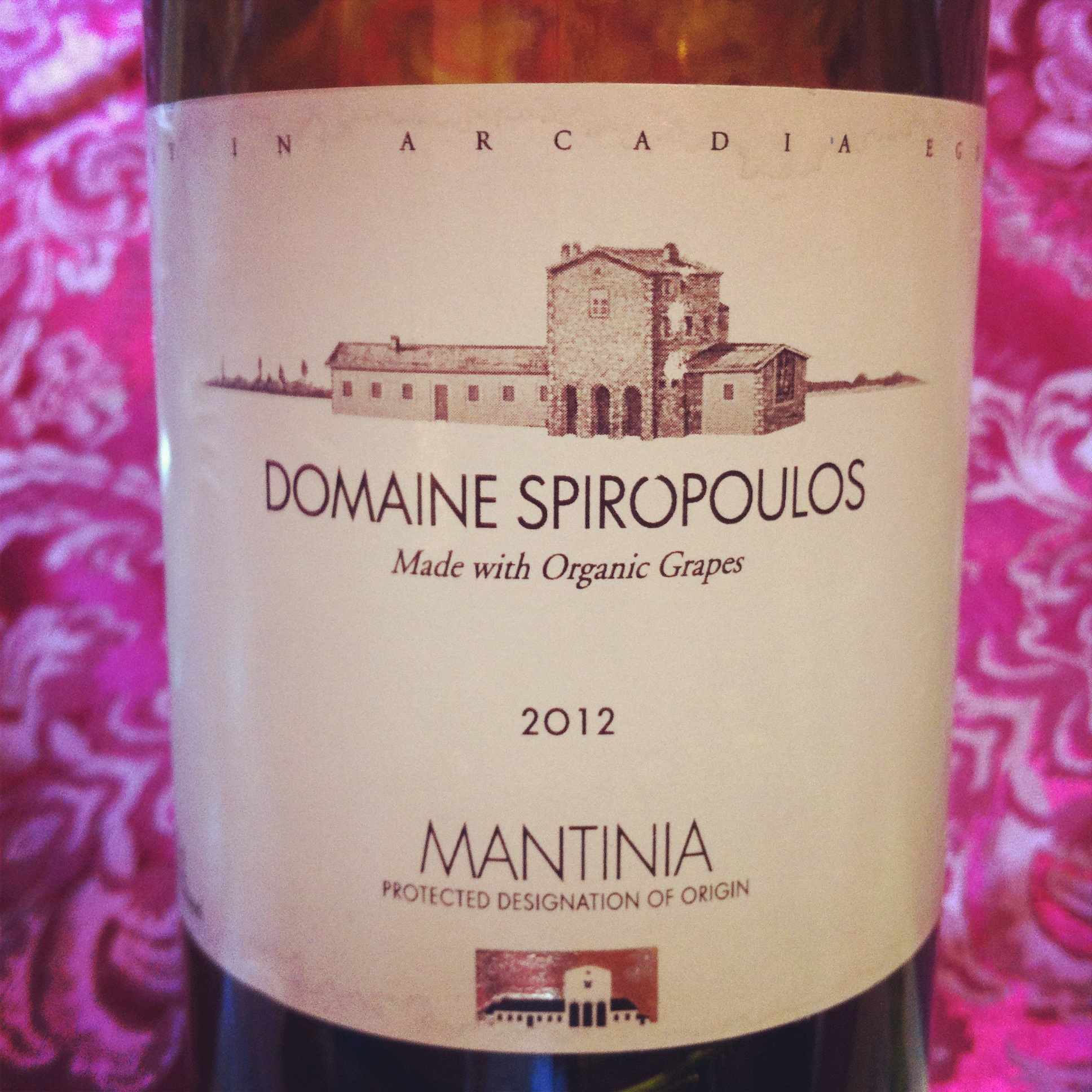
Domaine Spiropoulos Mantinia Moschofilero 2012

The Spiropoulos winery created a completely different beast. This Moschofilero-based wine was packed full of citrus notes. It smelled like vitamin C tablets to me, and boasted of chalky minerality. The acid structure, however, was not that high. 12.5%. I appreciated the dustiness of this mineral-driven wine, but the smell of ascorbic acid just didn’t toot my horn.

IMG_1400Semeli’s “Mt. Sun White” was a blend of Moschofilero and Roditis. My initial instincts were that it smelled similar to a BC Chardonnay with lemon juice, peach, and hints of apricot. It was lower in acid (again, probably due to the climate, as high acid wines are usually the result of cooler climes), and the palate carried provocative candied floral notes. I liked it.

Malagousia

THE SIP: Originating from the western area of Greece, this varietal (which almost went extinct!) was realized by the producer Gerovassiliou to have great potential for producing distinguished wines. One of the few grapes to produce full-bodied white wines out of Greece, it typically swaggers its exotic aromatics in the faces of other white wines of Greece.

IMG_1401The Gerovassiliou was exactly the wine available to sample at the Wine Bloggers Conference, and without repeating the multiple exclamation marks in my notebook, this wine flaunted notes of quince, lemon and lime zests, and a funky minerality. I’d try it again.

Roditis

The SIP: Roditis is a pink-skinned varietal that tends to have really good acid structure, but tends to ripen late. That being said, even though it ripens late, it is a prized varietal because it is able to maintain its acidity throughout the ripening process. Many varietals that ripen later have to be watched in order to maintain a balance of sugar and acid. A decrease in grape berry acid means sugars are higher, and the final wine may be unbalanced. Often blended with the Savatiano varietal, Roditis produces the best wine when yields are kept in check. Citrus flavours should be expected with this varietal that produces a pleasant aftertaste.

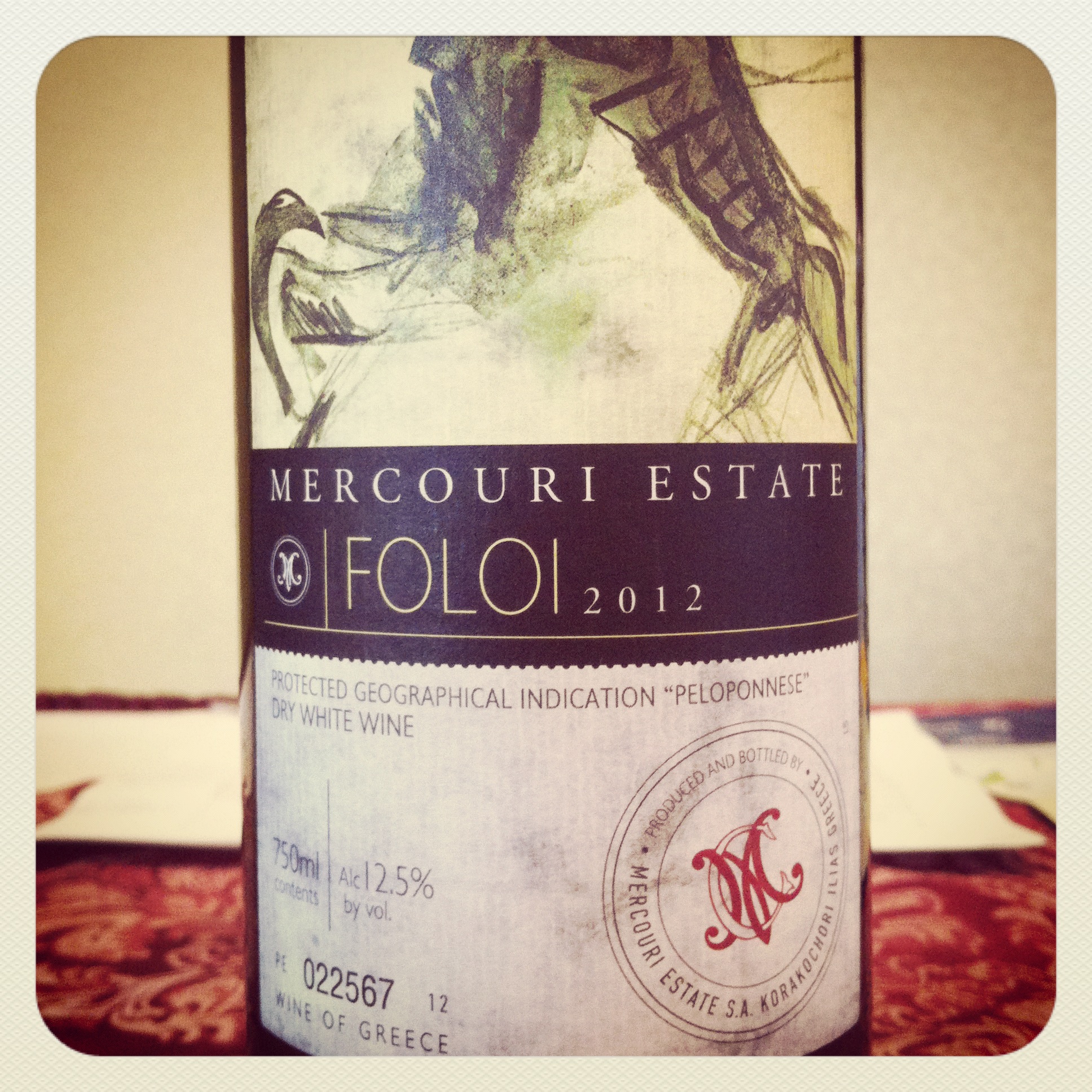
IMG_1396The only single varietal Roditis that I was able to sample was Mercouri Estate’s Foloi 2012. My notes boast of citrus: lemon and lime zests, minerality, and a pleasant slight prickle on the tongue. It was very light indeed, and I pictured myself in Greece, sitting on a patio eating freshly prepared seafood dishes and having a glass or two.

In the final two installments, I will be examining both the red wines of Greece and their dessert wines in more detail. Happy savouring.

Cheers!

Information credits go to “All About Greek Wine.”

Greece is best known for a mere two wines: Retsina and Muscat de Samos. Unfortunately, this means that Greece is not known for the greater number of varietals that are actually grown and vinified in this Mediterranean country. Sadly, this also means that the world has little idea about the wines of Greece, and about how wines “speak” in this region. How is this possible, considering wines have been being made here for at least 6,500 years?

Greece does have areas where international varieties such as Chardonnay are planted, but this ancient wine-growing region is home to varieties that the average folk has never heard of including Athiri and Xinomavro. One can also find Robola, Moscophilero, Savatiano, and Mavrodaphne spread throughout this island-heavy country. Try saying those 10x each. I know you tried.

Because Greece is not well-set on the international stage of wine, it is thus better to talk about producers who are doing things well, as opposed to good regions. Producers generally desire to make competitive wines that will do well on the export market, but they are doing this slowly. This can be conCRETEly (ha!) seen with how many Greek wines we actually see when we walk into our local liquor stores. When choosing wines from Greece, you can be guaranteed that the reds will always be the most striking and thrilling. This is partly due to the climate being so hot. Greece does do sweet wines excellently, usually based on the Muscat grape, especially from the islands on the Aegean Sea. The best Muscat wines are said to come from Samos, near the Turkish coastal area, however, modest Muscat wines can still be quite impressive. Samos is said to be making the best of the best, as the “Samos Nectar” is made from sun-dried Muscat grapes.

In Part II of “The Wines of Greece”, we will have a look at the white varietals that are grown & harvested, and vinified in this region of the world. During the 2013 Wine Bloggers Conference in Penticton, BC, in June of this year, I had the opportunity to try a huge gamut of Greek wines from white to dessert. I’ll highlight a few that I thought were most interesting and compare textbook notes to the ones that I took. Should be interesting!

Cheers, and see you soon!

The end of July 2013 came and went as fast as one could imagine it was here. With the end of July came my first Blogiversary for The Demystified Vine.

Visiting wineries in the Okanagan, Summer 2013

Visiting wineries in the Okanagan, Summer 2013. Pictured here with Luke Whittall at Hester Creek in Oliver, BC

The last year has been an incredible journey of tasting, researching, educating, and engaging readers on what the world of wine has to offer (and what not to be afraid of)!

Attending the Wine Bloggers Conference in June 2013

Attending the Wine Bloggers Conference in June 2013

I am pleased to say that with over 4,000 views in its first year, The Demystified Vine has surely been demystifying something.

For those of you who know me personally, you know my passion for wine and education is unbound. The experiences I have with helping others learn more about wine excites me – and many have said that they can see me ‘light up’ whenever I get the chance to share what I love.

On that note, I want to say a sincere thank you to all who have supported The Demystified Vine over the last year, and I hope you have been enjoying the learning process as much as I have.

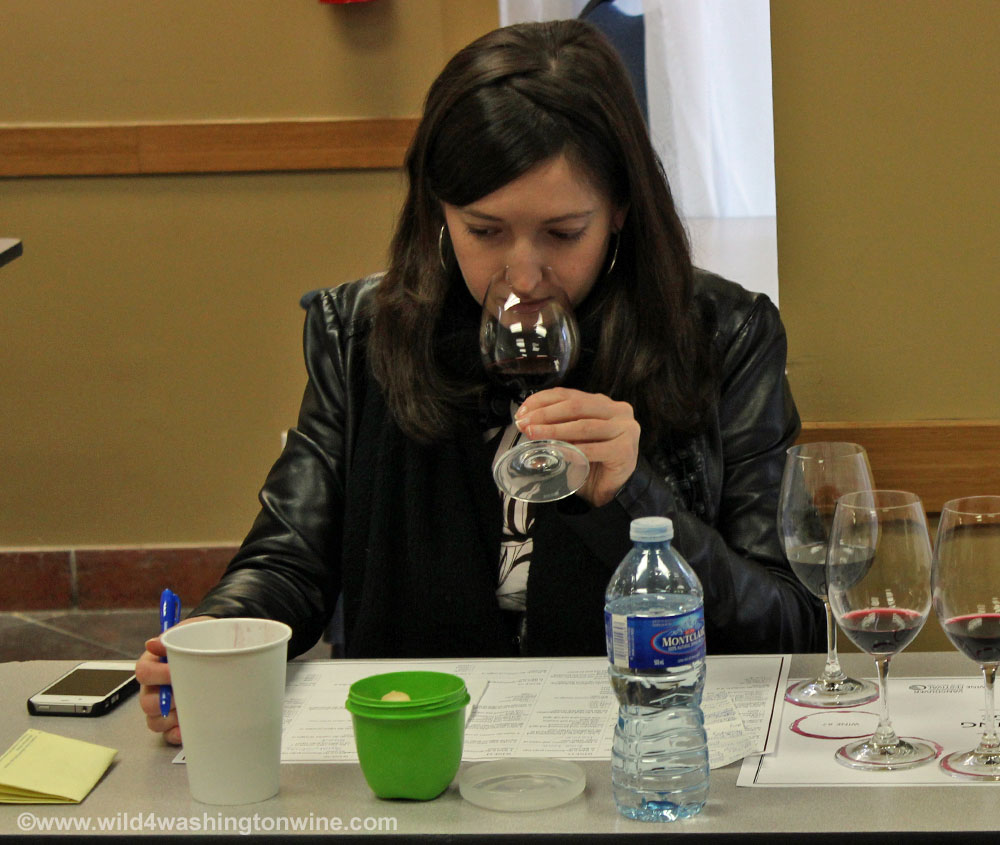
Attending the Vancouver Int'l Wine Festival Blind Tasting Challenge February 2013

Attending the Vancouver Int’l Wine Festival Blind Tasting Challenge February 2013. Photo Copyright http://www.wild4washingtonwine.com

If you want to explore a specific topic or have questions, don’t hesitate to write me at valerie@demystifiedvine.com.

Here’s to another year filled with love & learning!

>clink< Salut!

My recent trip to the Okanagan wonderfully began at Little Straw Vineyards (@LittleStrawWine) in West Kelowna. There is a soft spot in my heart for this small vineyard and winery ever since I tasted their 2008 La Petite Paille Pinot Noir. I first stopped into this winery in May 2012, when I was on a weekend wine tasting trip. I was greeted by Jessie with a bright smile the first time I visited, and it seems nothing has changed – except Jessie’s hair. We had a chuckle that I remembered her hair used to be really long, as she now has a short hairdo.

IMG_1555

Sue & Jessie (L to R) in the tasting room, July 2013

Sue Ursuliak (@LittleStrawSue), Jessie’s mom, graciously met with my colleague and I to chat and taste some wines. She was one of the sweetest people I have ever met – truly, a genuine and light-hearted soul. We chatted about how the winery came to be, and about how the vineyards are coming along. Kelowna had a lot of rain during June, and Sue quickly pointed out that the vines are doing very well.

IMG_1554

Little Straw’s old labels: Slamka Cellars

This is a family winery run by three brothers named Tim, Rick, and Pete Slamka. Originally, the Slamka family first planted grapes in 1969 with hopes to sell their crop to larger commercial wineries. However, after Pete, the winemaker, finished a world tour in 1993, he wanted to make wine at home. During his trip, Pete went to various wineries and made Pinot Noir. Those who have had their Pinot Noir know that they do Pinot Noir very well [said in an exaggerated voice]. No, I’m not bias. By 1996, their first lot of wines made from the 1994 vintage were ready to be released. Since then, the family has purchased a number of acres of land around the vineyard on Mt. Boucherie, and are making some intriguing wines from fantastic varietals like Auxerrois and Lemburger.

Originally called “Slamka Cellars” after the family name, they decided to switch their name to the english translation, as “Slamka” translates into “Little Straw”. Producing about 4,000 cases a year, there are no plans to increase production. For more information on Little Straw, watch the ~3 minute video available on YouTube here.

If you have the chance to visit Little Straw Vineyards, you must stop in and try their 2011 Old Vines Auxerrois. With a sweetness code of (0), you can expect clean notes of pear, floral, and citrus on the medium intensity nose. With good structural acid, medium body, and alcohol at 12%, you won’t be surprised at how graceful the yellow apple, green fruits, white flowers, and minerality shine in this wine – which also has a good length. It won silver at the 2013 Pacific Rim Wine Competition.

IMG_1551

Photo by Valerie Stride

Gaining a reputation for their Sauvignon Blanc, Little Straw makes a dry and off-dry version of this versatile grape, and I adored the 2012 La Petite Paille version. This wine smelled of grassy meadows and savoury herbs. Gooseberry, green fruits, and a little hint of lemon were all present. I found out towards the end of the tasting that their Sauvignon Blanc grapes are planted near clover and alfalfa fields. On the palate, parsley and green fruits came together. With a medium body and medium alcohol, this is a great summer sipper! Only 218 cases produced.

One of the interesting varietals that Little Straw Vineyards grows is Marechal Foch. Their 2009 vintage is a very good expression of this hybrid varietal, and exudes cherry, plums, spices (thyme, clove, black pepper), raspberry, and minerality due to their location on Mt. Boucherie – an extinct volcano. Dry, with soft tannin, and medium body, you’ll want to give this wine a go at least once. After all, there are only really a handful or two of wineries in BC that are still growing and making wine out of it.

I also tried various other wines including two vintages of Rose (’10 & ’12), their 2009 Pinot Noir (La Petite Paille series), and the 2008 Cuvee Noir. All were fantastic.

IMG_1560

Looking down into the vineyard at Little Straw

Thank you to Jessie and Sue for your kind hospitality while I was visiting. Your family is making some glorious wines. I will hopefully be back soon to say hello and purchase more bottles!

For those interested in finding out where you can get Little Straw wines, click here.

Cheers!